
Digital Automatic Busbar Inspection Machine for HV Withstanding Testing is used for testing isolation and high voltage withstanding. Engineered specifically for rigorous evaluations in industrial electrical distribution systems, this equipment ensures that every phase and wire configuration meets strict insulation criteria before deployment. The physical construction features a cold-to-the-touch, industrial-grade aluminum alloy frame that provides exceptional structural stability while resisting environmental corrosion in demanding facility environments. When operators engage the system, the mechanical components move with precise, controlled fluidity, minimizing vibration and ensuring the safe handling of heavy electrical elements weighing up to 500 kilograms. By integrating this inspection machinery into your testing protocols, facilities can definitively verify the dielectric strength of straight two-piece or four-piece busbar configurations, preventing potential catastrophic failures in power distribution networks and safeguarding downstream investments.
1Dynamic power415V,50Hz
2Busbar phase and wire:3P3P, 3P4W, 3P5W
3Busbar type:Straight two piece or four piece
4Frame material of equipmentAluminum alloy
5Maximum weight of elements to be handled:500kgs
6Length of sandwith busbar which can be tested:1500mm-3000mm
7Possible duration of test0~30 minutes (adjustable)
8Life time:20 years
The specified 415V, 50Hz dynamic power requirement aligns with standard heavy industrial electrical grids, eliminating the need for specialized power conversion equipment. The adjustable testing duration of 0 to 30 minutes allows quality control teams to customize their high voltage exposure times based on specific project requirements or regional compliance mandates. Furthermore, the 20-year projected lifetime of the aluminum alloy framework guarantees a long-term return on capital expenditure, reducing the frequency of equipment replacement and minimizing operational downtime across decades of continuous testing cycles.
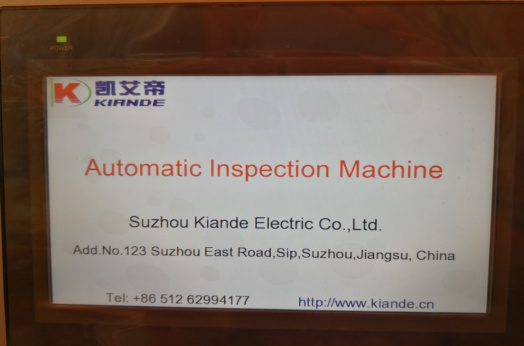
Equipped with a highly responsive digital touch screen and an advanced Programmable Logic Controller (PLC) system, this inspection machine transforms complex high voltage testing into a streamlined, one-button operation. The tactile interface provides immediate visual feedback, allowing operators to input parameters with precision even while wearing protective industrial gloves. This level of automation significantly reduces the necessity for manual intervention, thereby decreasing the likelihood of human error during critical insulation assessments. By accelerating the setup and execution phases of the testing cycle, facilities can process a higher volume of sandwich busducts daily, directly improving overall throughput and operational efficiency.
Achieving absolute accuracy in insulation performance testing is critical for electrical safety. This machine delivers exceptionally stable high voltage output, paired with highly sensitive leakage current detection mechanisms. During the testing phase, the system continuously monitors the electrical integrity of the busbar, detecting even microscopic deviations in insulation resistance. The faint, rhythmic hum of the high voltage transformer confirms the steady application of power, while the digital sensors capture precise micro-ampere readings. This unyielding accuracy ensures that every tested component strictly adheres to designated safety thresholds, providing undeniable proof of product reliability before the busducts are shipped to installation sites.
Operating high voltage testing equipment requires stringent protective measures to safeguard personnel. This inspection machine is engineered with multiple overlapping safety interlocks that instantly sever power if any access panel is opened during an active test cycle. A prominently positioned, high-resistance emergency stop button provides immediate system shutdown capabilities. Additionally, the integrated overload protection prevents equipment damage during unexpected electrical surges. In the event of a fault detection, the system activates a piercing auditory alarm and a flashing visual indicator, instantly alerting operators to the specific hazard. These comprehensive mechanisms create a secure testing environment, minimizing workplace liability and prioritizing operator well-being.
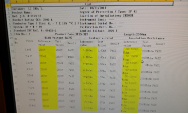
Modern quality control relies heavily on verifiable documentation. This testing unit automatically records real-time data throughout the duration of every high voltage test. Information such as applied voltage, test duration, and leakage current is stored securely within the internal memory. The system supports direct exportation of comprehensive test reports, generating formatted documents that serve as definitive proof of factory acceptance testing. This complete traceability is invaluable for compliance audits and provides end-users with the necessary data to verify the structural and electrical integrity of the sandwich busducts they procure.
Meeting global regulatory expectations is a fundamental requirement for electrical testing machinery. The design, engineering, and manufacturing processes of this equipment strictly comply with CE and ISO directives, as well as the rigorous high voltage testing standards established by the International Electrotechnical Commission (IEC). By adhering to these internationally recognized frameworks, the machine guarantees that the tested busbars will be accepted in diverse global markets. This compliance eliminates regulatory friction, allowing procurement teams to confidently source and deploy this equipment across international facilities without facing localized certification barriers.
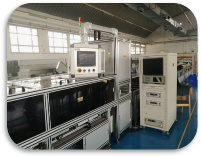
Acquiring complex testing machinery is only the first step; maintaining its operational readiness is equally important. The deployment of this equipment is backed by comprehensive installation guidance and on-site commissioning protocols. Expert technicians provide detailed safety and operational training, ensuring that local teams understand the nuanced mechanics of the touch screen interface and the physical handling of the 500kg busbar elements. Furthermore, a responsive global maintenance network is available to address technical inquiries, supply necessary replacement components, and provide troubleshooting assistance, ensuring the machine maintains its 20-year operational lifespan with minimal disruption.


