


| Quantity: | |
|---|---|


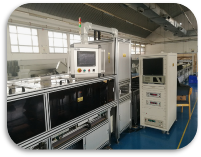
Digital Automatic Busbar Inspection Machine for HV Withstanding Testing is composed of three parts, feeding positioning station, inspection station and discharge station. Designed specifically for the rigorous demands of compact busduct insulation evaluation, this system transforms the traditional manual testing process into a continuous, highly efficient automated workflow. Operators immediately notice the precise, quiet operation of the servo-driven fixtures as they secure the heavy conductive bars without damaging the exterior aluminum or steel casing. By integrating the incoming, diagnostic, and outgoing phases into a single streamlined conveyor mechanism, manufacturing facilities can dramatically increase their daily throughput. The tactile feedback of the industrial control panel and the mechanical fluidity of the transitions reflect a meticulous engineering approach focused on long-term operational stability. This equipment eliminates the bottlenecks typically associated with high-volume electrical performance verification, ensuring that every compact busway leaving the production floor meets stringent safety specifications before deployment.
At the heart of this system is its ability to perform comprehensive electrical evaluations, primarily focused on: 1) High voltage withstanding and insulation testing. Beyond these fundamental metrics, the machine is engineered to conduct precise grounding tests, offering a full-spectrum analysis of the busbar's electrical integrity.
Facility managers appreciate the built-in one-click testing recipes. Instead of manually recalibrating the machinery for different production runs, operators can swiftly switch parameters to accommodate varying voltage levels and busbar lengths. The automated positioning system intuitively adjusts to the specific dimensions of the incoming compact busduct, reducing setup times and minimizing human error during changeovers.
To guarantee zero-defect outbound shipments, the inspection station features an automatic PASS/FAIL determination protocol accompanied by an immediate breakdown current alarm. When a fault is detected, the system emits a clear auditory alert and halts the discharge sequence, preventing compromised units from moving downstream. Additionally, an optional vision system can be integrated to pre-judge phase errors, adding an extra layer of visual confirmation to the rigorous electrical diagnostics.
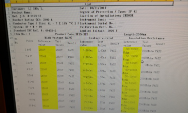
In modern manufacturing environments, verifying performance is only half the requirement; documenting it is equally critical. With this system, the 2) Testing result can be keep in computar for record. This capability extends far beyond simple local storage. The digital architecture supports instant barcode recognition, allowing each individual busduct to be scanned and logged as it enters the feeding positioning station.
Once the diagnostic cycle is complete, the software automatically generates, saves, and can print detailed evaluation reports. By integrating directly with enterprise ERP systems, procurement managers and quality assurance teams gain real-time visibility into production metrics. This level of granular data management enables serial-number-level lifecycle traceability. If a field issue arises years after installation, the exact insulation resistance values, testing parameters, and environmental conditions from the day of manufacture can be instantly retrieved from the digital archive, providing unparalleled accountability for large-scale infrastructure projects.
By automating the documentation process, the system actively reduces administrative overhead while eliminating the transcription errors inherent in manual data entry logs, ensuring that your compliance records are always accurate and audit-ready.

The versatility of this automated inspection framework makes it an indispensable asset across various demanding electrical sectors. It is specifically engineered to handle the rigorous factory outbound full-inspections required for high, medium, and low voltage compact busducts. By standardizing the testing protocol, manufacturers can confidently supply critical power distribution components to sensitive infrastructure projects. Below are the primary deployment scenarios where this machinery delivers maximum operational value:
| Application Sector | Testing Focus & Value Delivered |
| Data Center UPS Systems | Ensures absolute reliability of continuous power feeds, preventing catastrophic downtime through meticulous insulation verification. |
| Renewable Energy (Solar & Wind) | Validates the high-capacity busways used in harsh environmental conditions, confirming they can withstand fluctuating voltage loads. |
| Commercial Power Distribution | Accelerates the batch testing of standard low-to-medium voltage busducts, keeping large-scale urban construction projects on schedule. |
Precision Feeding Mechanism: The initial stage of the automated workflow involves the feeding positioning station. Here, heavy-duty compact busducts are mechanically transitioned onto the testing track. The heavy clamps engage with a reassuring solidity, ensuring the conductive materials are perfectly aligned before advancing to the high voltage testing zone. This eliminates manual lifting hazards and prevents surface abrasions on the busway casing.
Real-Time Diagnostic Interface: As the inspection station applies the required voltage, operators monitor the process through a high-contrast digital interface. The screen provides immediate visual feedback on insulation resistance and grounding integrity. If a breakdown current is detected, the interface instantly flashes a warning, allowing for rapid intervention. This visual clarity ensures that quality control personnel can interpret complex electrical data at a glance.
Automated Discharge and Sorting: Upon successful completion of the testing protocol, the busduct moves to the discharge station. Units that pass the stringent criteria are smoothly offloaded for final packaging, while any flagged components are securely isolated. The rhythmic, continuous motion of this final stage underscores the machine's capacity for high-volume batch processing, transforming a traditionally labor-intensive task into a highly orchestrated, efficient production line asset.


