


| Quantity: | |
|---|---|


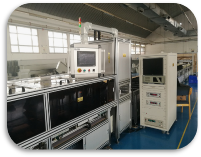
Digital Automatic Busbar Inspection Machine for HV Withstanding Testing is composed of three parts, feeding positioning station, inspection station and discharge station. This intelligent structural design ensures a continuous, streamlined workflow for rigorous electrical component evaluation. By automating the physical movement of heavy copper or aluminum busducts through these three distinct operational zones, production facilities can significantly reduce manual handling, lower labor costs, and dramatically accelerate daily inspection cycles. The equipment focuses on comprehensive low-voltage short circuit testing and high-voltage withstanding detection, guaranteeing maximum electrical reliability for complex busbar trunking systems used in commercial and industrial power distribution. The automated feeding positioning station carefully aligns the conductors to prevent mechanical stress, the central inspection station executes rigorous electrical stress evaluations under controlled conditions, and the discharge station safely moves the verified units down the line for final packaging. This synchronized three-part system transforms a traditionally labor-intensive process into a highly efficient automated operation.
The test report can be keep and connect with computer for record. This critical capability forms the backbone of modern quality control and assurance programs. Every single electrical parameter measured during the short circuit or high-voltage withstanding phase is digitized and stored instantly within the system's memory. Factory managers and quality inspectors can retrieve historical data at any time to track the lifecycle and performance metrics of specific busbar production batches. By directly linking to PC-based databases, the machine completely eliminates paper-based recording errors and provides a permanent, easily searchable archive of all inspection results. This level of comprehensive data traceability is absolutely crucial for large-scale infrastructure projects, data centers, and commercial high-rises where electrical compliance documentation is strictly audited by regulatory bodies. Having immediate access to these digital records ensures that manufacturers can confidently prove the safety and reliability of every busbar delivered to the construction site.
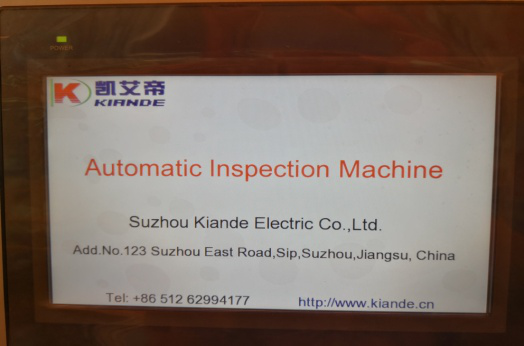
Achieving absolute accuracy during high-stakes short circuit and withstanding evaluations requires exceptionally sophisticated sensor technology. This advanced testing machine utilizes highly sensitive digital sensors combined with an intelligent central control system to continuously monitor voltage spikes, current flow, and insulation resistance throughout the testing cycle. The precise calibration of these instruments ensures that even the most minute electrical anomalies, which might indicate a potential future failure, are detected long before the busbar leaves the factory floor. The internal control logic responds in mere milliseconds, providing a highly reliable pass or fail determination that ultimately protects downstream electrical grids from catastrophic short circuits. This unwavering commitment to measurement precision guarantees that only flawless electrical distribution products reach the end user.
Busbar production inherently involves a wide variety of lengths, widths, phase configurations, and current ratings to meet diverse project requirements. To accommodate this extensive product diversity, the central inspection station features highly flexible clamping mechanisms and adaptable diagnostic tooling. Whether processing compact low-voltage lighting tracks or massive heavy-duty high-voltage transmission ducts, the equipment automatically adjusts its physical grip and electrical contact points to perfectly match the specific dimensions of the unit under test. This remarkable versatility means manufacturing facilities do not need to invest in multiple dedicated machines for different product lines, thereby optimizing valuable factory floor space and maximizing capital investment efficiency while maintaining exceptional testing throughput across all shifts.
Modern manufacturing environments demand highly interconnected and communicative equipment. This inspection machine features an intuitive, user-friendly digital interface that simplifies complex electrical testing procedures into clear, actionable visual prompts for the operator. Factory personnel interact with responsive touch panels that display real-time diagnostic curves, testing progress, and immediate system alerts. Furthermore, the underlying software architecture supports direct integration with existing Manufacturing Execution Systems (MES) used by the facility. This vital connectivity allows production planners and plant managers to remotely monitor testing bottlenecks, track overall equipment effectiveness in real-time, and synchronize the inspection rhythm with the broader intelligent manufacturing environment, ensuring a smooth flow from raw material to finished product.
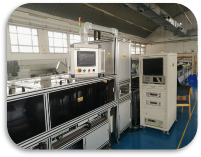
Handling extreme high-voltage and simulated short-circuit scenarios inherently involves significant electrical risks to both personnel and property. To comprehensively protect operators and the surrounding facility, the machine is engineered with multiple layers of fail-safe safety mechanisms. It includes multi-tiered leakage protection circuits that instantly sever the main power supply if any stray currents or grounding faults are detected during the testing sequence. Highly visible auditory and visual alarm systems provide immediate alerts if a busbar fails the withstanding test or if an unexpected mechanical jam occurs in either the feeding or discharge stations. The physical enclosure features heavy-duty interlocked guarding, strictly ensuring that the high-voltage inspection station cannot energize while personnel are anywhere near the active testing zone. These durable, redundant safety features align perfectly with rigorous international electrical testing standards, providing ultimate peace of mind and operational security during continuous, demanding daily production schedules.


