




| Quantity: | |
|---|---|
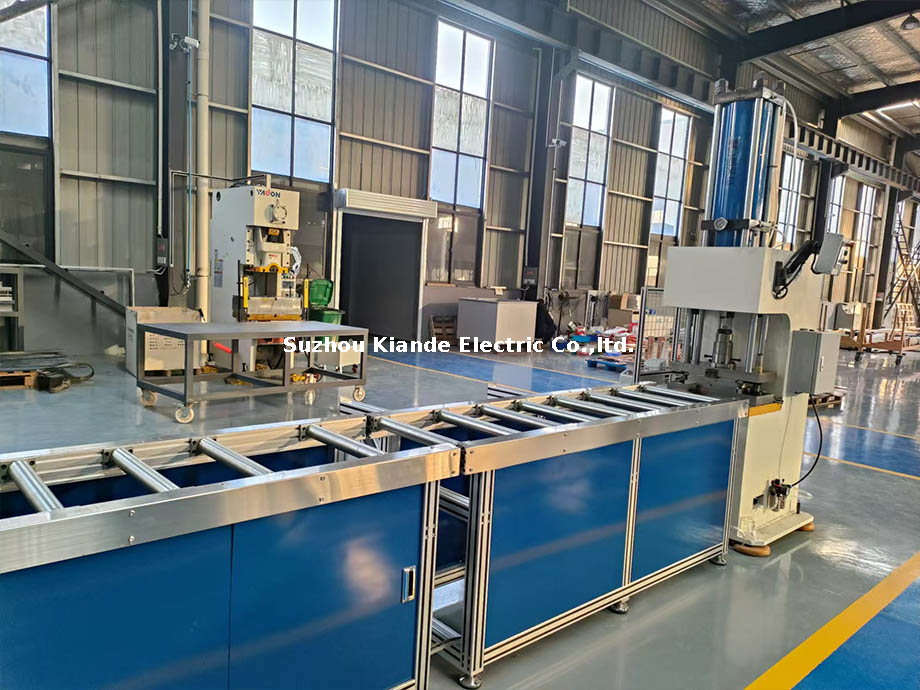
Digital bus bar punching machine is used to punch the two ends of busbar in one time to guarantee parallelism between busbar profile and conductor. This parallelism ensures the reliable connection between conductor and joint which can control joint temperature rising. Key point is that machine can adjust the rebound coefficient according to conductor’s material and width. Rebound coefficient varies by bending or different conductor width and this kind of adjustment can guarantee the parallelism.


The KD-YYJ-40(50)T Digital Bus Bar Punching Machine processes busbar ends in one operation. The product description links this operation to parallelism between the busbar profile and conductor. Digital adjustment of the rebound coefficient accounts for conductor material and width. A hydraulic and pneumatic hybrid power arrangement and fast die change are specified for this end-processing machine. |  |
| Parameter | Specification |
|---|---|
| Model | KD-YYJ-40(50)T |
| Bending Power Type | Hydraulic and pneumatic hybrid |
| Pressure | 40T or 50T, Max. 80T |
| Die | Fast die change |
| Workplace Size | L450mm*W340mm |
| Control Mode | Digital control |
| Air Source | 0.6MPa |
| Power | 220~230VAC 50~60Hz 80W |
| Equipment Dimension | L680mm* W580mm* H2600mm |
One-Time End ProcessingThe source describes processing the two ends in one operation. | Rebound AdjustmentThe coefficient can be adjusted for conductor material and width. | Digital ControlDigital control is specified in the parameter table. |
Hybrid Power SystemThe listed power type combines hydraulic and pneumatic operation. | Fast Die ChangeFast die change is explicitly identified in the source. | Pressure OptionsThe table lists 40T or 50T, with a maximum of 80T. |
FunctionsOne-Time End Processing — The source describes processing the two ends in one operation. Rebound Adjustment — The coefficient can be adjusted for conductor material and width. Digital Control — Digital control is specified in the parameter table. | Working Principle
|
Busbar End PreparationDigital processing of busbar ends for the specified joint geometry. | Conductor-to-Joint FitEnd preparation related to alignment between conductor and joint. | Busbar Profile AlignmentProcessing intended to maintain parallelism with the busbar profile. |
Supply the conductor-end drawing and die requirement.
Confirm whether the 40T or 50T configuration suits the intended operation.
Identify material and width changes that require separate settings.
Recommended acceptance checks for digital bus bar punching machine:
Parallelism ReviewMeasure the processed end relative to the specified conductor and profile geometry. | Material SetupCheck that rebound settings match the actual conductor material and width. | Tooling ChangeReview the die fit and first processed part after a tooling change. |
End-Punching Product FocusDigital bus bar punching machines are named in Kiande’s official equipment range. | Connection-Bar EquipmentThe manufacturer also lists a dedicated joint connection bar center. | Related Conductor MachineryIts portfolio covers conductor processing and downstream busbar assembly. |
Rebound adjustment addresses material and width changes described in the product page.
The equipment focuses on end geometry used at busbar joints.
The end-punching station can be considered alongside the company’s other conductor machines.
Other machines for conductor and joint preparation: Joint Connection Bar Processing Center, Busbar Conductor Multifunctional Processing Machine, Manual Assembly Machine.
Busbar conductor manufacture
Busway joint preparation
Electrical connection fabrication
Digital bus bar punching is included in the official product scope of Suzhou Kiande Electric Co.,Ltd. The company also manufactures joint connection bar and multifunctional conductor equipment, with engineering design and production departments listed in its profile. | 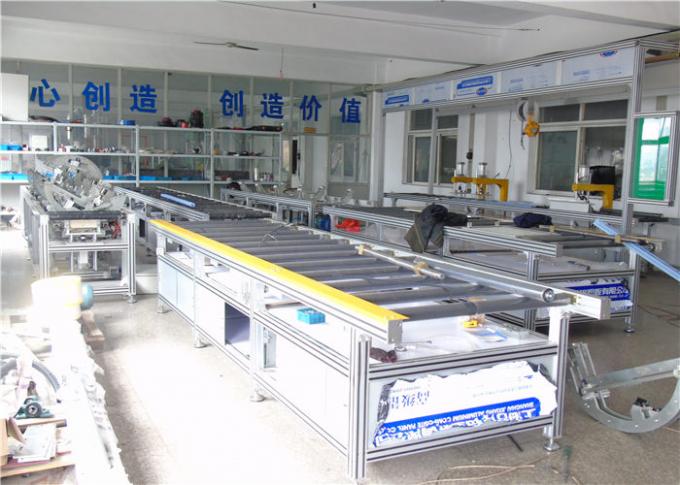 |
Submit the conductor material, width and joint drawing.
Review the pressure selection and tooling scope.
Check end geometry after the material-specific rebound setting is agreed.
Kiande’s official website displays an invention patent document for busduct processing equipment. This is a company technology document. It does not establish CE conformity or current ISO certification for every product configuration. |  |
KD-YYJ-40(50)T is described as processing two busbar ends in one operation to support conductor and profile parallelism.
The KD-YYJ-40(50)T description explains that rebound varies with conductor material and width. The coefficient is adjusted to suit those conditions.
The KD-YYJ-40(50)T table lists 40T or 50T and a maximum of 80T. Confirm the rating of the ordered configuration.
Fast die change is specified for KD-YYJ-40(50)T. The die supplied still needs to match the required end geometry.
The published values are 0.6MPa air and 220~230VAC, 50~60Hz, 80W electrical power for KD-YYJ-40(50)T.
The listed workplace is L450mm × W340mm. Equipment dimensions are L680mm × W580mm × H2600mm, separate from workpiece support clearances.


