



| Quantity: | |
|---|---|


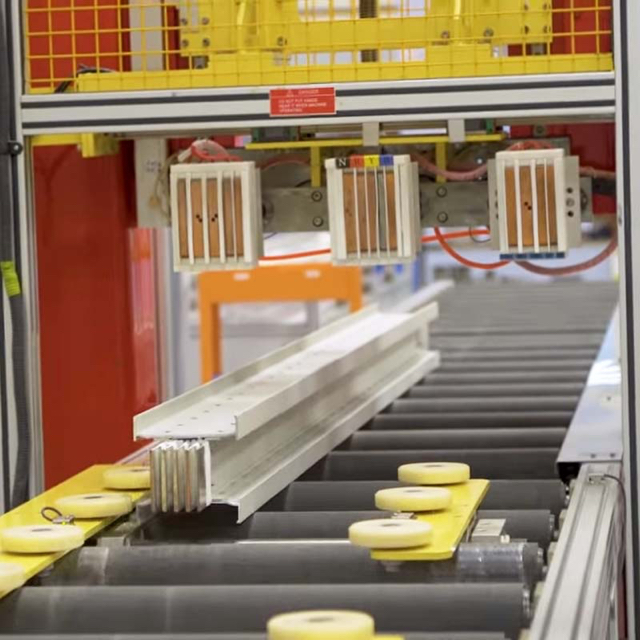
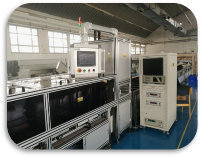
The Automatic inspection machine is composed of three parts, feeding positioning station, inspection station and discharge station. Designed for intensive industrial manufacturing environments, this equipment provides a highly structured and reliable approach to electrical safety validation. When the busbar enters the feeding position, the control system will select the right testing fixture to start testing from the information identified by bar code or previous assembly line. This servo-driven automatic positioning ensures exact physical alignment, allowing operators to utilize a convenient one-click recipe setup to accommodate various busbar specifications during high-volume production runs.
Three tests will be performed including HV withstanding test, insulation resistance test and grounding test. By consolidating these critical evaluations into a single automated workflow, the machine guarantees that every outgoing product meets strict safety thresholds, effectively achieving a zero-defect quality standard. The heavy-duty metallic enclosure of the inspection station provides a solid, vibration-dampening environment, ensuring that sensitive electrical measurements remain completely unaffected by ambient factory noise. As the components move through the stations, operators experience clear tactile feedback from the industrial-grade control interfaces and distinct audible confirmation signals when a product successfully passes the evaluation, reducing operator fatigue and enhancing workplace awareness.
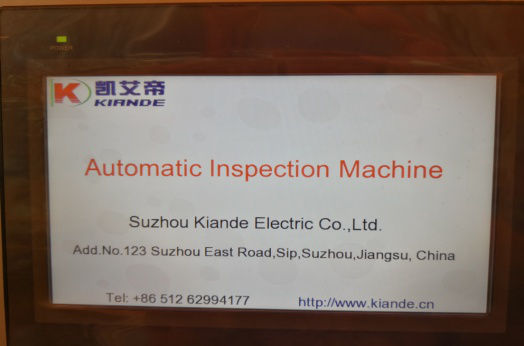
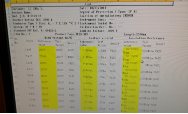
After test is finished, testing report will be generated. This report can be saved, printed on site and recorded remotely. Its format can be set according to customer’s requirements. Furthermore, the system architecture supports deep ERP system integration, enabling product-level data traceability across the entire manufacturing lifecycle. Please note that the Automatic inspection machine is mainly used for batch inspecting on the straight busbar. Elbow busbar type shall be tested on manual inspection machine to properly accommodate their unique geometric profiles.
Achieving a zero-defect outgoing quality rate requires meticulous attention to every phase of the evaluation process. The integration of high-precision sensors and responsive servo motors creates a synchronized workflow that adapts to varying production demands. The automated system minimizes human intervention while maximizing throughput accuracy.
| System Component | Operational Function & Value |
|---|---|
| Feeding Positioning Station | Utilizes servo-driven mechanisms for exact alignment, reducing manual handling errors and accelerating processing speed. |
| Inspection Station | Executes precise HV withstanding, insulation resistance, and grounding evaluations to guarantee electrical safety. |
| Discharge Station | Safely routes the evaluated straight busbars to the next assembly phase based on the generated testing report results. |
Dielectric Test and Insulation Resistance Test Equipment
The Dielectric Test and Insulation Resistance Test Equipment serves as a critical checkpoint in modern electrical manufacturing. By automating the evaluation process, facilities can eliminate the inconsistencies often associated with manual checking methods. This machinery is specifically built to meet the rigorous demands of industrial-grade equipment manufacturing, ensuring that every straight busbar deployed in the field offers reliable performance under heavy electrical loads.
The versatility of this automated system allows it to be widely applied across multiple demanding sectors. From new energy infrastructure to large-scale data centers and traditional power distribution networks, the need for verified, safe busbar trunking systems is universal. Implementing this equipment ensures that all outgoing products meet the exact specifications required by these critical industries.
Investing in automated testing infrastructure requires reliable long-term backing. To guarantee that your production lines maintain continuous, stable operation, comprehensive technical support is integrated into the service model. This includes detailed on-site installation training for operators, ensuring they are fully equipped to manage the feeding positioning, inspection, and discharge stations effectively.
In the event of unexpected operational anomalies, the equipment supports remote network fault diagnosis. This capability allows technical experts to quickly analyze system data, identify issues within the control system or testing fixtures, and provide rapid response solutions without the need for immediate on-site visits. This significantly reduces potential downtime and keeps batch inspecting processes on schedule.
By prioritizing both machinery reliability and responsive technical assistance, facilities can confidently scale their manufacturing output. The combination of precise automated testing, customizable reporting formats, and dedicated diagnostic support creates a complete ecosystem for electrical quality control. The rapid response service framework ensures that any necessary replacement parts or software updates are delivered promptly, empowering maintenance teams to keep the machinery operating at peak efficiency year after year.


