| Quantity: | |
|---|---|


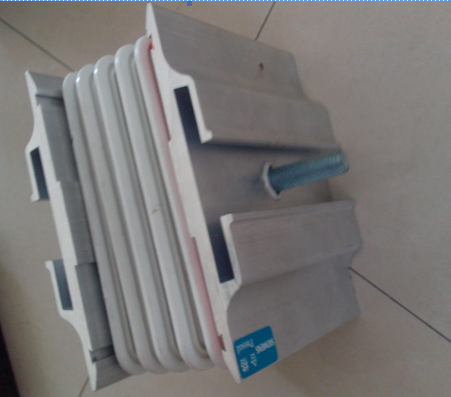
Engineered for demanding electrical distribution networks, this high voltage busbar joint insulation plate delivers uncompromising safety and structural stability for critical power infrastructure. Designed specifically to protect the connection points of main busbar trunking systems, the plate utilizes a high-performance Dough Molding Compound (DMC) thermosetting composite matrix. When handled, the material presents a rigid, non-porous matte finish that inherently repels moisture and resists the accumulation of conductive airborne dust. This tactile density and substantial physical weight translate directly into reliable field performance, ensuring that critical electrical clearances and safe creepage distances are strictly maintained even under severe operational stress or fluctuating environmental conditions.
At the core of this insulation plate is its superior dielectric capacity and stringent flame retardance. Achieving a Comparative Tracking Index (CTI) of 600+, the component actively prevents electrical arcing and surface tracking across the busbar joints, even in environments with high pollution degrees. The material holds a UL94 V-0 flammability rating, meaning it is self-extinguishing and will not contribute to flame spread during a thermal event. Furthermore, the thermosetting nature of the DMC composite ensures it will not melt, drip, or deform when subjected to sudden thermal spikes, completely eliminating the risk of arc-induced breakdowns that could compromise an entire facility's power grid.
During a high-current short circuit, busbar systems experience violent electromagnetic repulsion forces that can physically tear standard components apart. To counteract this, the insulation plate incorporates a high concentration of precisely distributed fiberglass reinforcement. This structural enhancement provides exceptional compressive and flexural strength. The rigid physical structure absorbs and disperses these sudden mechanical shocks, preventing the copper or aluminum conductors from shifting out of alignment. Additionally, the material exhibits excellent dimensional stability, resisting the constant expansion and contraction stresses caused by daily thermal cycling without developing micro-fissures.
Industrial environments routinely subject electrical components to extreme atmospheric conditions. This insulation plate is rated for continuous, stable operation in harsh environments reaching up to 155°C. Unlike standard thermoplastics that may soften or emit acrid odors under heavy electrical loads, this DMC composite remains completely stable, emitting no thermal degradation byproducts or volatile organic compounds. Its exceptionally low water absorption rate ensures that prolonged exposure to heavy humidity, industrial particulates, or coastal salt spray will not degrade its insulating properties, maintaining a consistent dielectric barrier over a decades-long service life.

Product | Model | Hole Nos | Distance Between Holes |
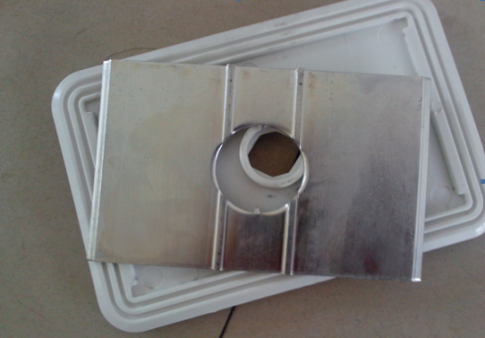
Insulation Plate (Middle, Edge) X=122
| X=50 | 1 | |
X=65 | 1 | ||
X=85 | 1 | ||
X=90 | 1 | ||
X=105 | 1 | ||
X=120 | 1 | ||
X=140 | 1 | ||
X=150 | 2 | 80(RU) | |
X=160 | 1 | ||
X=190 | 1 | ||
X=205 | 3 | 80(RU) | |
X=210 | 2 | 105 | |
X=230 | 2 | 115 | |
X=250 | 2 | 125 | |
X=255 | 3 | 85 | |
X=310 | 2 | 169 | |
X=350 | 2 | 189 | |
X=390 | 2 | 209 | |
X=450 | 4 | 95 | |
X=490 | 4 | B=105 C=154(Middle) | |
X=658 | 6 | B=90(Middle) C=139(Edge) | |
X=688 | 6 | B=100(中Middle) C=150(Edge) | |
Insulation Plate (Middle, Edge) X=130
| X=50 | 1 | |
X=60 | 1 | ||
X=80 | 1 | ||
X=95 | 1 | ||
X=110 | 1 | ||
X=120 | 1 | ||
X=125 | 1 | ||
X=145 | 1 | ||
X=160 | 1 | ||
X=180 | 2 | 90 | |
X=190 | 2 | 85 | |
X=200 | 2 | 100 | |
X=324 | 2 | 194 | |
X=344 | 2 | 204 | |
X=354 | 2 | 209 | |
X=394 | 2 | 229 | |
X=424 | 2 | 244 | |
X=464 | 4 | B=174 C=90 | |
X=484 | 4 | B=179 C=95 | |
X=504 | 4 | B=184 C=100 | |
X=623 | 6 | B=149 C=80 | |
X=648 | 6 | B=164 C=80 |
Meeting the rigorous demands of international electrical infrastructure requires strict adherence to global safety protocols. This busbar joint insulation plate is manufactured to comply fully with IEC 61439 and UL 840 standards, ensuring seamless integration into certified electrical assemblies worldwide. Additionally, the material formulation meets all RoHS and REACH environmental directives, facilitating smooth project approvals, site inspections, and environmentally conscious engineering practices across diverse regulatory jurisdictions.
Proper installation is paramount to maximizing the lifespan of the busbar system. The insulation plates feature standardized, precision-molded mounting holes designed to align perfectly with standard busbar joint configurations. When securing the plates, technicians will notice the firm tactile feedback of the material, which resists localized stress cracking when specific tightening torque parameters are applied. For long-term maintenance, the matte surface finish is highly compatible with non-destructive testing methods. Maintenance crews can easily perform routine infrared thermal imaging inspections; the non-reflective surface provides accurate emissivity readings, allowing for the early detection of any abnormal temperature rises at the joint connections before they escalate into critical failures.