
Views: 0 Author: Site Editor Publish Time: 2025-09-03 Origin: Site


Copper fishplate processing machines are essential in sectors like power transmission, railways, and heavy equipment manufacturing, where precision and reliability are critical. Regular maintenance not only ensures smooth operation but also prevents unexpected breakdowns, minimizes costly downtime, and prolongs the machine’s service life, protecting one of the most significant investments in manufacturing infrastructure. By following proper care routines and maintenance strategies, manufacturers can maintain high-quality output, improve overall productivity, and extend the operational efficiency of their equipment. This article will provide a comprehensive guide to key practices for keeping your copper fishplate processing machine performing at its best while maximizing its lifespan and reliability.
Maintaining a copper fishplate processing machine begins with consistent cleaning and thorough inspection routines. These essential practices help prevent premature wear and tear, ensure operational accuracy, and significantly extend the machine’s overall lifespan, safeguarding the manufacturer’s investment in high-precision equipment.
Regular and methodical cleaning is crucial to keep the machine in optimal working condition. All surfaces, cutting areas, and working components should be cleared of debris, dust, and metal shavings that accumulate during production processes. Using appropriate cleaning agents and specialized tools not only prevents corrosion but also protects sensitive components such as sensors, laser systems, and electronic controls, ensuring they continue to function accurately. Scheduled cleaning reduces the risk of contamination or interference with moving parts, helping the machine maintain consistent high-precision processing of copper fishplates. A well-maintained cleaning schedule also minimizes the likelihood of production errors caused by foreign particles or residue buildup.
In addition to cleaning, routine inspections are critical for identifying potential issues before they escalate into major problems. Regularly inspect worn parts, belts, rollers, and cutting edges to determine whether replacement, calibration, or adjustment is necessary. Examine bolts, fasteners, and electrical connections to ensure mechanical stability and prevent operational hazards that could compromise safety or product quality. By conducting systematic inspections, manufacturers can detect minor defects early, reduce the risk of unexpected downtime, and maintain consistent, high-quality production output. This proactive approach not only enhances machine reliability but also supports long-term operational efficiency and cost savings in copper fishplate processing.
Proper lubrication and diligent component maintenance are absolutely essential to ensure that a copper fishplate processing machine operates smoothly, efficiently, and reliably over the long term. Neglecting these critical maintenance tasks can quickly lead to premature wear of mechanical parts, reduced precision in processing, and costly downtime that disrupts production schedules. Regular attention to lubrication and component health not only extends the lifespan of the machine but also maintains consistent output quality, reduces operational issues, and ensures that production targets are met without unexpected interruptions.
Regular and comprehensive lubrication of all moving parts is vital to minimize friction, prevent overheating, and avoid premature wear. Key components requiring attention include bearings, guide rails, gears, shafts, and any other elements involved in mechanical movement. Utilizing manufacturer-recommended lubricants ensures compatibility with machine materials, protects against corrosion, and prevents chemical damage. Establishing a scheduled lubrication routine is crucial to maintaining consistent machine performance, reducing operational noise, and enhancing reliability. Well-lubricated components can operate under higher loads, which improves productivity, allows for smoother motion, and extends the overall lifespan of essential machine parts. Additionally, routine lubrication helps maintain precise alignment and smooth interaction between mechanical elements, which is critical for achieving accurate and high-quality processing of copper fishplates.
Careful attention to key components such as tooling, clamping devices, and the transmission system is necessary to ensure precise, stable, and efficient operation. Regular inspections should check for wear, misalignment, loosened fasteners, and other potential issues that could impact performance. Early detection of such problems allows operators to replace, adjust, or repair parts before they escalate into serious failures. Proper maintenance of these components ensures the accurate processing of copper fishplates, improves overall product quality, and prevents costly, unexpected machine breakdowns. Consistent upkeep also guarantees dimensional accuracy, reduces material waste, and supports reliable production timelines. In industrial applications such as power transmission, railways, and heavy machinery manufacturing, maintaining high-quality, precise copper fishplates is essential, and effective component care directly contributes to this objective.
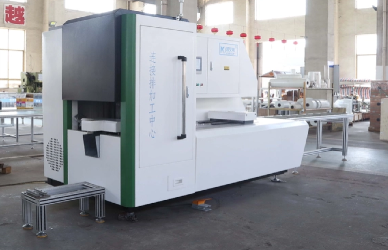
Ensuring your copper fishplate processing machine operates at peak performance and maintains optimal accuracy requires regular calibration and timely software updates. These practices are essential not only for consistent quality but also for enhancing overall machine performance, improving efficiency, and extending the operational lifespan of the equipment. Neglecting calibration or software maintenance can lead to decreased precision, increased material waste, and higher risks of machine malfunction, which can disrupt production schedules and increase operational costs.
Periodic and thorough calibration of the copper fishplate processing machine is crucial to maintain high precision in cutting, shaping, and processing copper fishplates. Calibration involves verifying the alignment of critical components, checking measurement accuracy, and making necessary adjustments to sensors, actuators, or mechanical elements. Proper calibration ensures that each processed fishplate meets strict dimensional and quality standards, reducing material waste and minimizing production errors. It also guarantees consistent performance, which is particularly important for high-volume industrial applications where even minor deviations can affect the reliability and safety of the final product. By performing regular calibration, manufacturers can maintain stable operations, improve repeatability, and ensure that every copper fishplate produced adheres to the required specifications.
Keeping the control software and firmware of the copper fishplate processing machine up to date is equally important. Software updates often provide access to new features, enhanced automation, improved stability, and optimized performance. Firmware updates can correct bugs, enhance security, or integrate advanced functionalities that increase operational efficiency. Regularly updating the software ensures that the machine can take advantage of the latest technological improvements, maintain compatibility with other industrial systems, and reduce unexpected downtime. Additionally, updated software can improve user experience, streamline workflow management, and enable more precise control over the processing parameters.
Implementing a structured preventive maintenance schedule is essential for keeping copper fishplate processing machines running efficiently and reliably. Regular maintenance helps avoid unexpected downtime, ensures consistent performance, and extends the machine’s operational lifespan.
Creating a standardized maintenance plan with clearly defined intervals for cleaning, lubrication, calibration, and inspections ensures that no critical tasks are overlooked. Maintenance checklists help operators follow consistent procedures, track completed tasks, and anticipate component replacements before issues arise. This systematic approach improves overall reliability and reduces the risk of production delays.
Preventive maintenance directly contributes to minimizing unplanned breakdowns and costly repairs. By addressing potential wear and component fatigue early, manufacturers can maintain smooth production workflows, improve output quality, and lower operational costs. Regular scheduling of preventive tasks ensures that copper fishplate processing machines remain operational during critical production periods.
Regular maintenance of copper fishplate processing machines is not just a routine task—it is a critical factor in ensuring the long-term reliability and consistent performance of your equipment. Proper upkeep helps prevent unexpected breakdowns, reduces repair costs, and maintains overall efficiency in production processes. By following recommended preventive maintenance practices, including cleaning, lubrication, calibration, and timely software updates, manufacturers can keep their machines operating at peak performance while extending their operational lifespan.
Partnering with trusted providers such as Suzhou Kiande Electric Co., Ltd. further enhances maintenance effectiveness. Experienced suppliers can offer professional guidance, technical support, and high-quality replacement components, ensuring that your copper fishplate processing machines continue to meet stringent industry standards. By combining diligent maintenance routines with expert support, manufacturers can achieve optimal performance, maintain high production quality, and remain competitive in an increasingly demanding market. Investing time and resources into proper machine care ultimately translates into greater productivity, cost savings, and confidence in delivering reliable copper fishplate products to your clients.

