
Views: 0 Author: Site Editor Publish Time: 2025-08-29 Origin: Site


Copper fishplates are essential in industries like power transmission, railways, and manufacturing, providing connectivity and alignment for metal components. Known for their conductivity and durability, copper is a preferred material for critical applications. Copper fishplate processing machines precisely shape, cut, and finish these components to meet strict industry standards. As industries demand greater precision, faster production, and cost efficiency, the need for innovation in processing has grown. Traditional methods can be slow and prone to errors, making newer technologies like automation, CNC machines, and real-time monitoring crucial. These innovations improve quality, speed, and sustainability while enhancing overall manufacturing efficiency. This article explores the latest advancements in copper fishplate processing machines, showing how technology is revolutionizing production and helping businesses stay competitive.
Recent advancements in copper fishplate processing have introduced automation features that streamline production processes. Automated systems minimize the need for manual intervention, improving operational efficiency and reducing labor costs. These systems are often integrated with IoT and AI technologies, enabling real-time monitoring, predictive maintenance, and performance analytics. This integration not only enhances the precision of each processing step but also provides businesses with valuable insights for continuous improvement.
CNC technology has significantly improved the precision and accuracy of copper fishplate processing. By utilizing advanced CNC machines, manufacturers can ensure consistent, high-quality results with complex geometries. The integration of advanced software allows for faster programming and operation, optimizing the entire manufacturing workflow. Multi-axis control is also a key enhancement, enabling intricate designs and reducing the time required for set-up and adjustments.
Energy consumption has long been a key concern in industrial processes, especially in copper fishplate production. Recent innovations focus on enhancing energy efficiency, with modern machines designed to minimize power usage without sacrificing output quality. These advanced systems, such as optimized motor controls and energy-efficient heating, help reduce electricity consumption and lower operating costs. Beyond financial savings, these improvements also support manufacturers' environmental goals by reducing their carbon footprint. By adopting energy-efficient technologies, businesses can stay competitive while aligning with sustainability initiatives. As energy costs rise and regulations tighten, these solutions are crucial for long-term success and environmental responsibility.
Advancements in copper fishplate processing technology have significantly increased processing speeds, allowing manufacturers to meet growing production demands. High-speed processing systems enable faster cutting, shaping, and finishing, which helps reduce lead times. This is particularly crucial for large-scale orders, where quick turnaround is essential for maintaining competitiveness in the market. The faster production rate also improves overall workflow efficiency, allowing businesses to handle larger volumes without compromising quality.
Recent innovations in cutting and shaping technology, such as laser and plasma cutting, have enhanced the precision of copper fishplate manufacturing. These technologies provide highly accurate cuts and intricate shapes, ensuring that every fishplate meets the required specifications. Additionally, laser and plasma cutting minimize material waste by maximizing the use of raw materials, thereby increasing yield. These improvements not only boost production efficiency but also help reduce costs related to scrap and waste disposal.
To improve both the durability and aesthetics of copper fishplates, advanced surface finishing techniques have been introduced. New polishing and finishing methods ensure a smoother, higher-quality surface that enhances the overall appearance of the final product. Moreover, these techniques often involve the application of anti-corrosion coatings and treatments, which extend the lifespan of copper fishplates and make them more resistant to environmental factors such as moisture and oxidation. This not only improves product performance but also ensures long-term reliability, making the fishplates more suitable for demanding applications in power transmission and railways.
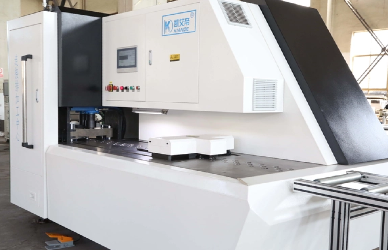
Copper fishplate processing machines are now designed to meet the specific needs of various sectors like railways, power transmission, and heavy equipment. In railways, fishplates need to withstand high stress and harsh environments, while those used in power transmission require precision and electrical conductivity. Machines are equipped with customizable features that can handle different material specifications, sizes, and thicknesses, allowing manufacturers to produce tailored fishplates for diverse industry requirements.
Modern copper fishplate processing machines offer enhanced versatility by working with materials beyond copper, such as alloys, aluminum, and other metals. This adaptability allows manufacturers to easily switch between materials, accommodating different customer demands without sacrificing quality. Additionally, these machines can handle a variety of fishplate designs and sizes, providing further flexibility in production and expanding their application range.
Advanced CAD (Computer-Aided Design) software has simplified the design process, enabling precise, customizable fishplate designs. Engineers can modify shapes, holes, and slots in real-time, which are then directly implemented into the processing machine. Software tools also include simulations to ensure design accuracy, minimizing errors and material waste. This integration streamlines production while providing a higher degree of customization and efficiency.
Copper fishplate processing machines now use sensors and AI systems to monitor quality during production. These technologies detect defects in real-time and allow for immediate adjustments, minimizing errors. AI-driven data analysis enhances decision-making, reducing waste and improving product consistency.
Automated visual inspection systems, coupled with 3D scanning, help identify surface defects, cracks, and dimensional issues. These technologies ensure precise verification, maintaining high standards of quality, especially in critical sectors like railways and power transmission.
Modern machines incorporate traceability features, tracking the production process for each fishplate. This ensures accountability and helps maintain compliance with industry standards, offering manufacturers full oversight and peace of mind for audits and quality assurance.
Recent innovations in copper fishplate processing have focused on reducing environmental impact. Manufacturers are increasingly using recyclable materials in production, minimizing waste through efficient machining, and incorporating sustainable practices in the manufacturing process. These efforts not only improve eco-efficiency but also contribute to lowering the overall carbon footprint of copper fishplate production.
Modern copper fishplate processing machines are designed with sustainability in mind, aligning with global environmental goals. These machines often feature green technologies that reduce energy consumption and waste. Additionally, the integration of renewable energy sources, like solar or wind power, into the manufacturing process is becoming more common, further promoting sustainability in production practices.
Recent innovations in copper fishplate processing machines have brought significant advancements in automation, energy efficiency, precision, and customization. These technologies enable manufacturers to improve production efficiency, reduce operational costs, and increase product quality. Automation and AI-powered quality monitoring systems streamline operations, while energy-efficient machines help minimize environmental impact. Additionally, the ability to process various materials and adapt to different designs allows for greater versatility, making these machines suitable for a wide range of industries. These improvements are helping manufacturers meet growing market demands and stay competitive. Looking ahead, we can expect further advancements in automation, AI, and sustainability, ensuring that copper fishplate processing continues to evolve in line with industry needs. Manufacturers who invest in these innovative solutions will benefit from enhanced production capabilities, improved product quality, and alignment with global sustainability goals. To remain at the forefront of the industry, it is essential for manufacturers to adopt the latest machines and technologies, ensuring their long-term success.

