
Views: 0 Author: Site Editor Publish Time: 2025-11-26 Origin: Site


Ensuring electrical safety is paramount in the design and operation of power distribution systems, where busbars play a critical role in safely transmitting electrical current between components. Busbars are essential for distributing electricity in various applications, including transformers, switchgear, and electrical panels. To guarantee their reliability and prevent potential hazards, busbars must undergo rigorous testing, particularly in high-voltage environments. High Voltage (HV) withstand testing is a crucial procedure used to verify a busbar’s ability to endure high-voltage conditions without failure. This testing simulates extreme electrical stress, checking if the busbar's insulation can handle voltage spikes and fluctuations typical in real-world conditions. By conducting HV withstand tests, manufacturers can ensure that busbars meet safety standards, reducing the risk of electrical failures, enhancing performance, and extending the lifespan of the busbar. As the demand for smarter, more efficient manufacturing grows, HV withstand testing remains a cornerstone in guaranteeing the safety, reliability, and quality of busbar systems.
High Voltage (HV) withstand testing is a process used to assess a busbar’s ability to endure high-voltage stress without failure. The purpose is to ensure that the busbar’s insulation can handle voltage conditions it will face in operation, preventing electrical failures like short circuits or fires.
AC (Alternating Current) Withstand Test: This test applies alternating current to simulate real-world electrical conditions, ensuring the busbar can handle voltage fluctuations and spikes.
DC (Direct Current) Withstand Test: This test uses direct current to evaluate the busbar's ability to endure continuous high-voltage stress, especially useful for systems operating on direct current.
HV withstand testing follows international standards such as:
IEC 60071: Guidelines for insulation levels and withstand voltages.
IEC 62271: Specifies requirements for high-voltage switchgear and busbars.
IEEE C37.20.2: Standards for electrical power equipment in North America.
These standards ensure busbars meet the necessary safety and performance thresholds for high-voltage applications.
HV withstand testing plays a vital role in preventing potential failures by identifying weaknesses in the busbar’s insulation before it is put into operation. The test applies high voltage to the busbar, simulating real-world stress conditions. If the busbar cannot withstand this voltage, it indicates potential insulation breakdown or other vulnerabilities. Detecting these issues early ensures the busbar operates safely within its voltage limits, preventing failures like electrical arcing, short circuits, or fire hazards in the actual system.
Busbars subjected to HV withstand testing are better equipped to handle the stresses of real-world electrical conditions. This includes high-voltage spikes or sudden fluctuations that often occur during switching operations or fault conditions, such as short circuits. By ensuring the busbar can endure these extreme conditions without failure, HV withstand testing enhances its overall reliability and safety, making it more resilient in operational environments.
Regular HV withstand testing ensures that busbars remain reliable over time, reducing the likelihood of premature failures. By confirming that the busbar can endure high-voltage conditions, the test helps identify any degradation in insulation or other components, which could compromise performance. This contributes to a longer lifespan for the busbar, ensuring consistent and efficient operation over its expected service life and reducing the need for costly repairs or replacements.
 Benefits of HV Withstand Testing in Smart Manufacturing
Integrating HV withstand testing with automated inspection systems significantly enhances efficiency, accuracy, and consistency in the testing process. Automated systems streamline the entire workflow, from testing to data collection and reporting. This integration minimizes human error, reduces testing time, and ensures that every busbar is tested under controlled, repeatable conditions. With automated inspection, manufacturers can quickly identify and address any issues, improving overall throughput and reducing the risk of faulty products.
HV withstand testing is a cornerstone of quality assurance in busbar manufacturing. By verifying that busbars meet the required high-voltage withstand standards, the testing ensures they can safely perform under demanding electrical conditions. This contributes to maintaining high-quality production standards and provides confidence that only reliable, high-performance busbars are delivered to customers. It also helps manufacturers comply with international safety and quality regulations, ensuring product safety and reliability.
The data generated from HV withstand testing offers valuable insights into the long-term performance and reliability of busbars. By analyzing test results over time, manufacturers can track the behavior of busbars under different conditions and identify patterns that indicate potential issues or areas for improvement. This data-driven approach allows for process optimization, helping manufacturers refine their production methods, enhance quality control, and make informed decisions about product design and material selection. Ultimately, these insights contribute to continuous improvement and help maintain competitive advantage in the market.
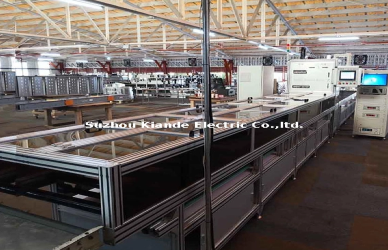
HV withstand testing, while essential for ensuring the reliability and safety of busbars, comes with several technical challenges. One of the primary issues is the complex setup required to conduct high-voltage tests safely and accurately. Setting up the necessary high-voltage equipment, ensuring proper insulation, and maintaining equipment calibration can be time-consuming and require specialized expertise. Additionally, power requirements for HV testing are substantial, as the equipment needs to generate and manage high voltage levels. Safety precautions are also critical; testing at high voltages poses risks to operators and equipment, making it necessary to have robust safety measures in place, including insulation, grounding, and fault protection systems.
Implementing HV withstand testing in production lines involves significant initial investment in equipment and setup. The high-voltage testing equipment, along with its integration into automated systems, can represent a substantial upfront cost. In addition, ongoing maintenance, calibration, and power usage can increase operational costs. Balancing these costs with the long-term benefits—such as improved product reliability, fewer defects, and reduced warranty claims—is essential. Companies must evaluate the return on investment (ROI) for HV withstand testing, considering how the quality assurance and enhanced performance it provides contribute to both operational efficiency and customer satisfaction.
The future of HV withstand testing is evolving, with several emerging trends aimed at improving efficiency and accuracy. New technologies, such as digital monitoring systems, are becoming more integrated into HV testing processes, allowing for real-time data analysis and remote monitoring. These advancements help detect issues faster, optimize testing cycles, and provide better traceability of testing results. Additionally, more efficient testing methods, such as automated systems that require less setup time and resources, are being developed. As HV withstand testing technology continues to evolve, it is expected to become more streamlined, cost-effective, and seamlessly integrated with other aspects of smart manufacturing. This will further enhance the ability to ensure electrical safety while improving overall production efficiency.
A1: HV withstand testing ensures that busbars can safely handle high-voltage conditions without failure, such as insulation breakdown or arcing. By simulating real-world voltage stress, it detects potential weaknesses before the busbar is used, preventing electrical malfunctions or hazardous conditions during operation, ensuring system reliability and safety.
A2: AC withstand testing uses alternating current to simulate typical operational conditions, assessing the busbar's ability to handle voltage fluctuations and spikes. DC withstand testing applies direct current, useful for systems operating on DC, and tests the busbar’s ability to endure continuous high-voltage stress without failure.
A3: HV withstand testing identifies weaknesses in insulation or potential failure points, ensuring the busbar can endure high-voltage conditions without degradation. This helps prevent premature failure and extends the busbar’s service life, ensuring reliable performance over time.
A4: Yes, HV withstand testing can be integrated with automated systems, improving testing speed, accuracy, and consistency. This integration allows for real-time data collection, enhancing quality control, and optimizing production processes by identifying defects more efficiently.
HV withstand testing plays a critical role in enhancing busbar performance by ensuring that busbars can safely withstand high-voltage conditions without failure, which is essential for maintaining electrical safety in power distribution systems. By identifying potential weaknesses in insulation or other components, HV withstand testing helps prevent operational failures, reducing the risk of electrical malfunctions, downtime, or hazardous situations. This testing ensures reliable product performance, improving the overall quality, longevity, and safety of busbars in electrical applications, ultimately contributing to a more efficient and secure electrical grid.
As manufacturing processes become more automated and smart, the role of HV withstand testing continues to evolve, particularly with the integration of advanced tools like the Compact Busbar Automatic Inspection Machine. Modern, automated systems enable faster, more consistent testing, providing valuable data-driven insights that help optimize production efficiency, quality control, and traceability. The Compact Busbar Automatic Inspection Machine is a key example of this evolution, as it allows for streamlined, real-time testing while ensuring high accuracy and efficiency. By integrating HV withstand testing with automated inspection systems, manufacturers can achieve enhanced electrical safety, improve product reliability, and proactively manage production processes. This integration marks a significant shift toward a more data-centric, digital manufacturing environment, making tools like the Compact Busbar Automatic Inspection Machine an indispensable asset in modern manufacturing.

