
Views: 0 Author: Site Editor Publish Time: 2025-11-28 Origin: Site


Automated busbar detection equipment plays a critical role in ensuring the quality, efficiency, and consistency of busbar manufacturing. These systems automate the inspection process, using advanced sensors and technologies to detect defects, measure key parameters, and ensure that each busbar meets the necessary specifications. The growing demand for high-quality, high-volume production makes these systems indispensable for modern manufacturing. As the adoption of such technology becomes more widespread, it is essential to conduct a cost-benefit analysis before implementation. This analysis helps manufacturers assess the initial investment, identify potential savings from reduced labor and fewer defects, and calculate the long-term benefits such as improved throughput, consistent quality, and greater customer satisfaction. By evaluating both the costs and savings, manufacturers can make informed decisions about integrating automated inspection systems into their production lines to optimize both performance and profitability.
The upfront equipment costs for purchasing an automated busbar detection system can be significant, as these systems require advanced sensors, high-resolution cameras, and specialized software for precise inspection. The cost of the equipment itself depends on the complexity of the system, the production volume it is designed to handle, and the specific features required for the busbar inspection process. In addition to the physical hardware, the price also includes the installation of necessary electrical and safety components, which may add to the initial investment. This upfront cost is typically one of the most considerable expenditures when integrating automated inspection systems into a manufacturing line.
Integrating the automated inspection system with existing production lines involves additional costs related to software and hardware compatibility. This includes ensuring the new system can communicate with other production equipment, such as cutting, bending, and punching machines, and can seamlessly exchange data with existing Manufacturing Execution Systems (MES) or Enterprise Resource Planning (ERP) software. The integration process may require custom modifications, new interfaces, or software updates to ensure smooth operation within the established production workflow. These costs can vary depending on the complexity of the existing systems and the level of customization needed.
To maximize the benefits of the new system, training for operators and engineers is essential. The cost of training includes providing staff with the skills necessary to operate, maintain, and troubleshoot the automated busbar detection system. Additionally, there may be implementation costs associated with testing and fine-tuning the system to fit the specific production environment. This includes the time and resources required for system calibration, operator trials, and any necessary adjustments before full-scale operation. While these costs are part of the initial investment, they are crucial for ensuring that the system is used effectively and can deliver optimal performance.
One of the key savings from automated busbar inspection machines is the reduction in labor costs. Manual inspection requires a large workforce to examine and test each busbar, which is both time-consuming and prone to human error. By automating the inspection process, the need for manual labor is minimized, enabling manufacturers to reassign personnel to other tasks or reduce the workforce dedicated to quality control. This leads to significant savings, especially in high-volume production environments where inspections are continuous.
Automated systems offer high accuracy and consistency, reducing the chances of defects, rework, and waste. Unlike manual inspections, which can vary based on operator skill or fatigue, automation ensures uniform results, meaning every busbar meets the required specifications. This minimizes defective units reaching the production line, reducing rework, waste, and disposal costs. Over time, this leads to long-term savings by improving material efficiency and product yield.
Automated busbar inspection systems increase throughput by speeding up the inspection process. These systems can inspect multiple busbars quickly and simultaneously, reducing the time spent on each inspection cycle. Faster cycles allow more units to be processed within the same time, boosting production rates without compromising accuracy. This enhances overall production capacity, helping manufacturers meet higher demand and increase profitability while improving operational efficiency.
Automated busbar inspection systems improve the accuracy and precision of inspections by eliminating human error. These systems use advanced sensors and algorithms to ensure that every busbar is measured and tested with high precision, detecting even the smallest variations in dimensions and quality. This ensures that all busbars meet the required specifications for reliable performance, reducing defects and ensuring consistent quality across large production runs.
Automated systems provide valuable data-driven insights that help optimize manufacturing processes. By continuously collecting and analyzing data, manufacturers can track quality trends, identify inefficiencies, and make informed decisions to improve production efficiency and product consistency. This data helps fine-tune the process, reducing waste and improving overall product quality.
Automation reduces the risk of human error that often affects manual inspections. Human inconsistencies, such as fatigue or oversight, are eliminated, ensuring that every busbar is inspected with the same level of accuracy. This leads to more reliable products and ensures consistent quality throughout the production process.
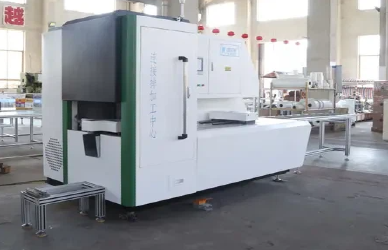
Automated detection systems help extend the life of both the busbars and the equipment by identifying potential issues early, such as defects in insulation or structural weaknesses. By catching these problems before they cause more significant damage, these systems help prevent premature equipment failure and reduce the need for costly repairs. The result is lower maintenance costs and less downtime, ensuring that the production line remains operational for a longer period and operates more efficiently over time.
With enhanced quality control from automated inspection, busbars are more reliable, meeting consistent standards with fewer defects. This leads to greater customer satisfaction and a significant reduction in warranty claims. By ensuring that only high-quality products are shipped, manufacturers can build stronger relationships with customers, reduce the costs associated with returns or repairs, and strengthen their market reputation for reliable products.
The return on investment (ROI) for implementing automated busbar detection systems can be estimated by evaluating the long-term operational savings, such as reduced labor costs, fewer defects, and less material waste. Improved product quality further contributes to ROI by reducing warranty costs and enhancing customer satisfaction. Over time, the initial investment is offset by the cost savings from fewer reworks, enhanced productivity, and lower maintenance, resulting in a strong ROI. By improving efficiency and product reliability, automated systems help maximize long-term profitability.
The installation and integration of a compact busbar automatic inspection machine can pose challenges, particularly with fitting the system into existing production lines. Compatibility issues with other equipment or software may require customization. Additionally, system calibration and training for operators are essential to ensure smooth operation and avoid disruptions during the implementation phase.
Automated inspection systems incur ongoing maintenance costs including software updates, sensor calibration, and repairs. Over time, components may need to be replaced, and regular servicing is required to maintain optimal performance. Manufacturers should plan for these expenses to minimize unexpected downtime and ensure the system remains efficient.
The system should be scalable to handle future increases in production volume or changes in busbar specifications. It must also support future upgrades, such as integration with IoT, AI, or advanced sensors. Ensuring the system is adaptable to new technologies will maximize its value and maintain its effectiveness in evolving production environments.
A1: ROI for automated detection equipment should factor in initial investment, labor savings, reduction in defects, increased throughput, and long-term operational savings. The ability to consistently produce high-quality busbars and reduce rework significantly boosts ROI over time.
A2: Automated busbar detection systems perform inspections faster and more accurately than manual methods, significantly reducing the need for a large workforce dedicated to quality control, leading to lower labor costs.
A3: Yes, automated inspection systems are designed to integrate smoothly with existing production lines, with minimal disruption. However, some initial investment in software and hardware compatibility might be required to ensure seamless operation.
A4: Long-term benefits include improved product reliability, higher customer satisfaction, reduced maintenance costs, and enhanced process efficiency. By minimizing human error and consistently ensuring high-quality standards, automated systems help build a more reliable and cost-efficient manufacturing process.
In summary, the cost-benefit analysis of implementing a compact busbar automatic inspection machine highlights significant advantages in terms of both costs and savings. While the initial investment includes equipment purchase, installation, and integration with existing systems, the long-term benefits far outweigh these costs. Automated inspection systems lead to substantial savings through reduced labor costs, lower defect rates, and improved throughput. Additionally, they enhance product quality and consistency, reducing rework and waste. The long-term benefits include extended equipment life, improved product reliability, and better overall production efficiency. Ultimately, the benefits of automation—including faster inspection, higher accuracy, and operational savings—make it a smart investment for high-volume busbar production. Automation not only improves manufacturing processes but also contributes to higher profitability, making it a valuable asset for any manufacturer looking to stay competitive in the market.

