
Views: 0 Author: Site Editor Publish Time: 2026-01-08 Origin: Site


Have you ever wondered how thin films, crucial for various industries, are consistently manufactured with precision? A film forming machine plays a pivotal role in transforming raw materials into perfectly shaped films used across sectors like electronics, packaging, and renewable energy.
In this article, we’ll explore how these machines work, their applications, and what to consider when choosing one. By the end, you’ll have a clear understanding of how film forming machines drive efficiency and quality in industrial production.
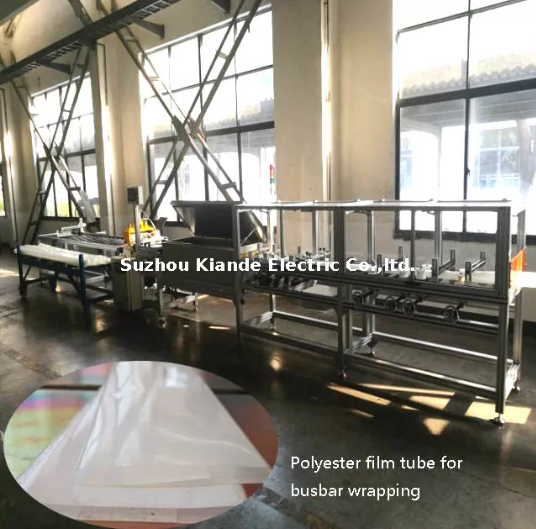
A film forming machine operates by using a combination of heat, pressure, and cutting techniques to transform materials such as polyester into films with specific shapes and properties. The process begins by feeding a roll of material into the machine. The film is then pre-formed, heated, shaped, and cut to meet exact specifications. This equipment is highly automated, providing precise control over the final product's quality.
The operation of a film forming machine typically involves several stages:
Material Feeding: Raw film is fed into the machine using a robust handling system, ensuring smooth operation without interruptions. This initial phase sets the foundation for accurate and consistent film production.
Heating and Shaping: The machine applies heat and pressure to the film to shape it into custom designs, ranging from simple sheets to complex three-dimensional forms. This stage is essential for achieving the desired thickness and structural integrity of the final product.
Cutting and Discharging: Once the film is formed, it is precisely cut and discharged for further use or packaging. The cutting process ensures that each piece of film meets the specific dimensions required for the next phase of production or the final product.
| Process | Description | Purpose |
|---|---|---|
| Material Feeding | Raw film is fed into the machine using a robust handling system. | Ensures smooth flow of materials for consistent production. |
| Heating and Shaping | The film is heated and pressure is applied to form custom shapes. | Achieves desired thickness and structural integrity. |
| Cutting and Discharging | Integrated cutting systems trim the formed film to the required dimensions. | Ensures precise sizing and eliminates manual labor. |
The film forming machine relies on several key processes to ensure high-quality production:
Automatic Feeding: Materials are automatically fed into the system, ensuring smooth flow and minimal manual intervention. This automated feeding helps eliminate potential errors that can occur with manual loading, contributing to higher efficiency.
Temperature and Pressure Control: Advanced control systems regulate the temperature and pressure during the forming process, maintaining consistent quality across all units produced. Precision in these settings is vital, especially when working with sensitive materials that can degrade or warp under improper conditions.
Cutting and Discharge Mechanisms: Once the film is formed, integrated cutting systems trim the product to the required dimensions. This reduces the need for manual labor and increases operational efficiency. The cutting mechanisms are designed to handle large volumes of material quickly and accurately.
Ensure the machine’s temperature and pressure settings match material specifications for optimal results. This prevents defects like warping or incorrect shaping.
| Industry | Application | Key Benefits |
|---|---|---|
| Electronics | Used in capacitors, insulation materials, and packaging films. | Precision, consistency, and durability. |
| Packaging | Creation of films used for packaging food and other goods. | Protection against moisture, chemicals, and air. |
| Renewable Energy | Production of components for solar panels, wind turbines, etc. | High-performance materials for harsh environments. |
| Automotive, Medical, Aerospace | Protective coatings, insulating components, and packaging. | Strong and flexible films for demanding environments. |
In industries such as electronics and packaging, film forming machines are critical for producing films used in components such as capacitors, insulation materials, and packaging films. These sectors rely on high precision and consistency in material production, which is exactly what the film forming machine provides. It ensures that films are not only uniformly shaped but also have the required strength and durability.
For packaging, especially food packaging, the film forming machine creates films that can seal in heat and protect products from contaminants like moisture, air, and chemicals. These protective properties are crucial for ensuring the safety and freshness of packaged goods, extending shelf life while maintaining product quality.
The renewable energy industry, including solar and wind power, uses film forming machines to create components that require thin, strong, and durable films. For example, in the production of solar panels, film forming machines are used to manufacture protective layers that enhance the efficiency and lifespan of the panels. These machines ensure that the films are consistent and free from defects, which is essential for applications where even small imperfections can lead to performance issues.
The use of film forming machines in renewable energy is growing due to the need for high-performance materials that can withstand harsh environments. Solar panels, for instance, must operate under extreme weather conditions, and the quality of the film material is crucial to their long-term effectiveness.
Apart from electronics and renewable energy, film forming machines are also widely used in automotive, medical, and aerospace industries, where precision and high-quality material are crucial. These sectors use films for protective coatings, insulating components, and creating durable packaging. The machine helps reduce manufacturing costs by improving material efficiency, eliminating the need for multiple production steps, and speeding up the overall process.
The aerospace and medical industries, in particular, require films that are both strong and flexible, capable of withstanding high stress and environmental factors. By automating the production of these films, film forming machines improve both the quality and speed of production, ensuring that critical components meet stringent industry standards.
For high-volume production, investing in a film forming machine that can handle diverse applications will save you significant time and cost. This versatility will allow your business to efficiently handle different types of films using the same equipment.
Precision and automation are key considerations when selecting a film forming machine. Many modern machines are equipped with CNC-driven systems that provide fine control over the forming process, ensuring that each batch meets exact specifications. These systems regulate temperature, pressure, and speed, ensuring consistent results and minimizing defects. CNC technology is particularly beneficial in industries where high accuracy is required, such as electronics and medical device manufacturing.
Automation reduces the need for manual labor, which lowers the risk of human error and increases production speed. By choosing a machine with advanced automation features, manufacturers can enhance production efficiency, improve product consistency, and lower labor costs.
Energy efficiency is another important factor. Modern film forming machines incorporate energy-saving technologies such as efficient heating systems and variable-speed drives that adjust power usage based on the workload. These innovations not only help reduce electricity consumption but also lower overall production costs by optimizing power usage during manufacturing.
In large-scale operations, the cumulative effect of energy-efficient machines can lead to significant savings. Transitioning to machines with lower energy consumption can drastically reduce operational expenses over time, making them a wise investment for businesses looking to reduce costs.
Durability is crucial when selecting a film forming machine, especially for high-volume production. Machines made from corrosion-resistant materials like stainless steel or with wear-resistant coatings ensure longer lifespans and reliable performance. Additionally, a machine designed for easy maintenance can help reduce downtime and avoid costly repairs. Choosing a machine with modular components and quick-access features can streamline the maintenance process.
Investing in high-quality equipment that requires minimal maintenance can improve the overall efficiency of the production line, increase the lifespan of the machine, and reduce the costs associated with repairs and replacements.
CNC technology has greatly improved the precision control of film forming machines. These systems allow operators to program the exact parameters for film production, ensuring that each film meets precise thickness, shape, and quality specifications. CNC technology enables fine-tuned control over every aspect of the forming process, which is especially critical in industries like electronics and medical devices, where small tolerances are crucial for functionality.
By integrating CNC technology, manufacturers can achieve micron-level precision, which not only improves product quality but also reduces material waste and rework.
| Advantage | Description |
|---|---|
| Micron-Level Precision | CNC technology allows for extremely fine-tuned control, ensuring precise results. |
| Reduced Waste | Accurate processing reduces material waste and the need for rework. |
| Consistency | Ensures uniformity across all units produced, improving overall quality. |
Modern film forming machines are equipped with real-time monitoring systems that track temperature, pressure, and material thickness. These feedback systems automatically adjust the machine's settings to maintain optimal conditions, preventing defects such as warping or incomplete forming. Real-time monitoring ensures that films are produced with consistent quality, reducing errors and improving overall output.
Using smart feedback systems, film forming machines can optimize production without constant manual oversight, making them ideal for large-scale, high-precision manufacturing.
The latest film forming machines are designed with energy-saving technologies that minimize environmental impact. Machines equipped with advanced heating systems, insulated chambers, and quick cooling technologies help conserve energy while maintaining high production speeds. These machines are ideal for companies looking to reduce their energy consumption and improve sustainability.
These energy-efficient innovations also help reduce the carbon footprint of the manufacturing process, making film forming machines a valuable addition to any company's green initiatives.
| Feature | Description | Benefit |
|---|---|---|
| Energy-Efficient Heating | Advanced heating systems that reduce power consumption. | Lower operational costs. |
| Insulated Chambers | Reduced heat loss due to insulated areas within the machine. | Improved energy efficiency. |
| Quick Cooling Systems | Rapid cooling technology to save energy during downtime. | Reduces idle energy consumption. |
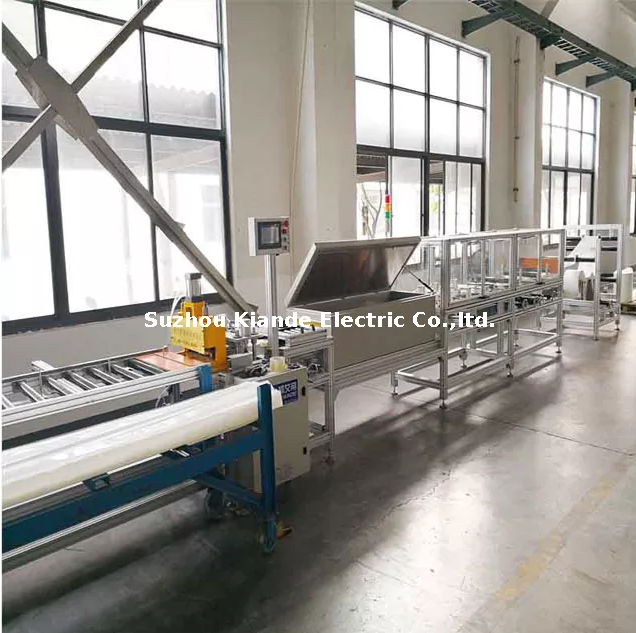
When selecting a film forming machine, it is important to consider your specific production needs. Machines vary in terms of size, output capacity, and the types of materials they can process. Assessing your production volume, material specifications, and required film properties will help ensure you choose the right equipment for your business.
For instance, if you are dealing with high-volume production, look for machines that can handle continuous production with minimal downtime. Machines designed for flexibility will also allow you to produce multiple types of films, helping your business stay adaptable to changing market demands.
| Machine Type | Production Volume | Material Type | Film Characteristics |
|---|---|---|---|
| Small-Scale Machine | Low to Medium | Thin films (e.g., Mylar) | Flexible, thin, and light films |
| Medium-Scale Machine | Medium to High | Various plastics, Mylar, PET | Durable, medium thickness films |
| High-Volume Machine | High | Thick films (e.g., industrial) | Strong, high-density films |
Machines with higher automation features are ideal for businesses looking to increase production efficiency and reduce human error. Additionally, ensure the machine has an intuitive interface and a straightforward maintenance schedule. Machines that offer self-diagnostic features and predictive maintenance alerts can help minimize unexpected breakdowns and reduce downtime.
By investing in machines that offer both automation and ease of maintenance, you can improve your production line’s efficiency and reduce costly disruptions.
Before purchasing a film forming machine, review customer feedback and performance reports to understand the machine's reliability. Case studies and performance metrics can provide valuable insights into how the machine performs in real-world settings. This can help you make an informed decision and ensure that the machine fits your production needs.
The future of film forming machines lies in full automation and the integration of AI. These technologies will optimize the forming process by analyzing production data in real-time and making autonomous adjustments. AI-driven machines will not only improve product quality but also enhance operational efficiency.
This shift toward intelligent manufacturing will be crucial for industries looking to stay competitive in a rapidly evolving market, helping them meet growing demand while maintaining high-quality standards.
As sustainability becomes a key concern, film forming machines are evolving to use eco-friendly materials and processes. Innovations in biodegradable films and sustainable manufacturing methods are on the rise, helping industries reduce their environmental impact.
Companies are increasingly adopting eco-friendly machines that align with both environmental standards and customer expectations. These innovations not only benefit the planet but also provide a competitive edge in an increasingly eco-conscious marketplace.
The film forming machine is a vital tool in modern industries, offering automation, precision, and efficiency. With technological advancements, these machines are becoming more energy-efficient and eco-friendly. From electronics to renewable energy, film forming machines are essential to meet the growing demands of today's manufacturing processes.
Understanding the key features and advancements helps businesses make informed decisions, improving production efficiency, reducing costs, and supporting long-term sustainability.
Kiande offers solutions that enhance production efficiency and meet industry needs, providing high-quality machines for various applications.
A: A film forming machine is specialized equipment used to convert raw materials like polyester into films with specific shapes and properties. It plays a key role in industries such as electronics, packaging, and renewable energy.
A: A film forming machine works by feeding material through a system that applies heat and pressure to shape it. After forming, the film is cut to the required dimensions and discharged for further use.
A: The film forming machine is crucial for automating the production of precise films, reducing labor costs, improving quality, and ensuring consistency across large-scale manufacturing processes.
A: A film forming machine increases efficiency, reduces material waste, and ensures high-quality production. It also automates processes, minimizing human errors and speeding up production cycles.
A: The cost of a film forming machine depends on its size, features, and production capacity. Prices can vary significantly based on these factors and the level of automation required.
A: Yes, film forming machines are used in renewable energy to produce films for components like solar panels. These machines ensure that the films are durable and meet performance requirements for energy applications.

