
Views: 0 Author: Site Editor Publish Time: 2026-01-13 Origin: Site


Have you ever wondered how plastic films are made? Film Forming Machines play a critical role in shaping the materials that surround many products we use daily.
These machines transform raw plastic into thin, flexible films, which are vital for packaging, electronics, and more. In this article, you'll learn how they work and why they are crucial for modern manufacturing. We will explore the key stages of the film forming process, material selection, and the role automation plays in production efficiency.
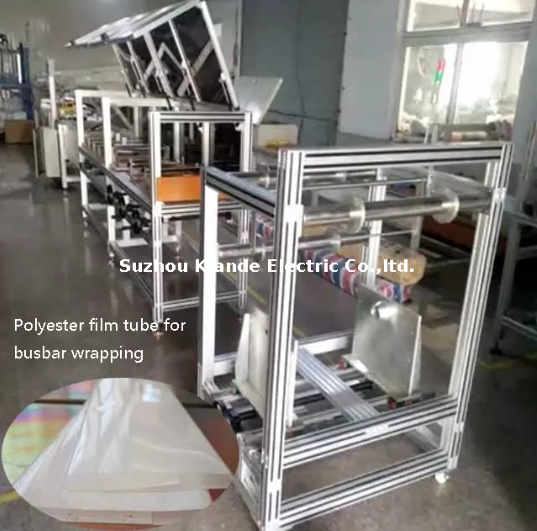
The Film Forming Machine operates through a multi-step process. Understanding each stage is vital to optimizing machine performance and ensuring the quality of the final product. The main stages include:
| Stage | Description |
|---|---|
| Material Preparation | Select and preprocess materials for extrusion |
| Extrusion | Melt and shape materials into the desired film form |
| Forming | Mold the film into its final thickness and shape |
| Cooling | Cool the film to stabilize its shape and properties |
| Cutting & Handling | Trim and store the film, ready for further use |
Each step is essential to ensuring that the film is formed accurately and efficiently, resulting in a high-quality product that meets industry standards.
The first step in the film forming process is selecting the correct material. Common materials used include PET, polypropylene, and LDPE (Low-Density Polyethylene). These materials offer the necessary properties for forming films that are durable, flexible, and have a range of other specialized characteristics, such as resistance to heat or chemicals. The choice of material depends on the film's intended application, such as packaging or insulation.
For example, PET is commonly chosen for packaging because of its clarity, strength, and durability, while polypropylene is preferred for applications requiring resistance to moisture and chemicals. Different materials may also be blended to achieve specific performance features, such as enhanced strength or improved transparency. Understanding the material's properties helps in selecting the right resin to achieve desired outcomes in strength, flexibility, and thermal stability. It’s important to work closely with suppliers to ensure that the material meets both production requirements and regulatory standards.
| Material | Properties | Common Uses | Advantages |
|---|---|---|---|
| PET | Strong, durable, clear, heat resistant | Packaging, insulation | High strength, clarity |
| Polypropylene | Resistant to moisture, flexible | Food packaging, medical | Chemical resistance, flexibility |
| LDPE | Low-density, soft, flexible | Films, covers, bags | Flexibility, cost-effective |
Once the right material is selected, it is fed into the extruder. The feeding system ensures the consistent supply of plastic pellets, which are crucial for maintaining the extrusion process. The hopper, where the raw plastic is stored, works in tandem with the extruder to push the material forward. The extruder then heats and melts the plastic before it moves to the next stage. The speed and efficiency of the feeding mechanism are important to avoid variations in material supply, which could affect the consistency of the film. A well-calibrated feeding mechanism ensures that the material is processed consistently, reducing waste and improving overall efficiency.
The extruder is at the core of the Film Forming Machine. It uses heat and rotating screws to melt and push the plastic through the system. The barrel, where the plastic is heated, contains various zones. These zones control the temperature and pressure, ensuring the plastic melts evenly and reaches the desired consistency. Once the plastic is melted, it is forced through a die head to form the film. The temperature and pressure in the extruder must be carefully controlled to ensure the plastic achieves the correct viscosity for optimal film formation.
The rotation of the screws ensures the plastic is evenly distributed along the length of the barrel, preventing clumping and ensuring that the material flows smoothly into the die head. The efficiency of the extrusion process directly affects the quality of the film, making it essential to maintain precise temperature control and screw speed. Regular maintenance of the extruder components, such as screws and barrels, can help avoid interruptions in the extrusion process.
| Zone | Function |
|---|---|
| Feeding Zone | Feeds pellets into the extruder, starts melting process |
| Compression Zone | Compresses the plastic, increasing pressure |
| Metering Zone | Controls temperature and pressure for consistent flow |
The die head plays a crucial role in shaping the molten plastic into film. It can be circular or flat, each providing different benefits depending on the type of film required. In circular die heads, the plastic is extruded in a tube shape, which is commonly used in film-blowing machines. For flat die heads, the plastic forms a flat sheet, which is often preferred for applications requiring uniform thickness and surface finish. The die head’s design directly influences the film’s thickness, width, and surface smoothness.
In addition to shaping the molten plastic, the die head also controls the flow rate and distribution of material, which affects the overall quality of the film. The precision of the die head ensures that the film has consistent properties across its entire width. Choosing the right type of die head can improve film uniformity and reduce production time. Regular cleaning and inspection of the die head are essential to maintaining optimal performance.
The forming stage applies heat and pressure to mold the film into its desired thickness and shape. The film passes through heated chambers, which ensure uniform shaping. The temperature and pressure settings are closely monitored to avoid defects such as warping or incomplete forming. A well-calibrated forming system ensures that the film retains its integrity during this phase, especially when forming complex shapes or patterns. In some machines, vacuum-assisted forming is used to create more intricate designs or to enhance film adhesion to substrates, providing added value in specialized applications.
After the film has been formed, it is cooled rapidly to stabilize its shape and maintain uniformity. The cooling process can involve air cooling, water rings, or a combination of both. Cooling is essential to set the film’s final properties, such as thickness and flexibility. Cooling speed is carefully controlled to ensure that the film solidifies evenly and does not shrink or warp. The cooling stage ensures that the film maintains its shape and is ready for the next steps, such as cutting or winding. It also plays a role in determining the film’s final mechanical properties.
Rapid cooling techniques, such as air jets or water baths, are critical to ensuring the film maintains its shape and quality. It's important to maintain the right balance between cooling speed and temperature to avoid creating unwanted stresses in the material.
Once the film has been cooled and shaped, it is cut to the required size. The cutting system trims the edges of the film to ensure that it meets the necessary dimensions. Any excess material is removed during this stage, resulting in a clean, uniform product. Accurate trimming reduces waste and ensures that the final product is ready for further processing or packaging. The cutting system may also include automated quality checks to ensure the film meets the required thickness and dimensional tolerances.
After trimming, the film is wound into large rolls for storage and transportation. The winding process must be done carefully to ensure that the film remains tight and evenly wound, avoiding wrinkles or creases. Sensors and controls monitor the tension throughout the winding process to maintain uniformity. Proper winding is crucial to maintaining the quality of the film, especially for delicate or thin materials. Efficient winding systems reduce the risk of defects and make storage and handling more efficient. Consistent tension during winding ensures that the film stays intact and easy to handle in later stages.
Modern Film Forming Machines are equipped with advanced control systems like PLC (Programmable Logic Controllers) that regulate key parameters such as temperature, pressure, and speed. These systems enable operators to set and adjust the process for different film types, ensuring precision and reducing the likelihood of errors. The use of automation allows for high-volume production with minimal manual intervention, improving overall efficiency and reducing the risk of human error. Automated control systems not only improve the consistency of the product but also optimize machine uptime, leading to higher overall efficiency. Ensuring proper calibration of these systems is critical for achieving desired results.
Sensors built into the system continuously monitor the film’s properties, such as thickness and quality. These sensors provide real-time feedback to the control systems, which adjust the process parameters to maintain consistent film quality throughout the production run. Real-time monitoring helps detect issues early, reducing the likelihood of defects and improving overall product quality. Implementing real-time monitoring systems ensures higher product quality and fewer defects, improving the machine's reliability. A feedback loop between sensors and control systems allows for immediate adjustments, preventing large-scale production issues.
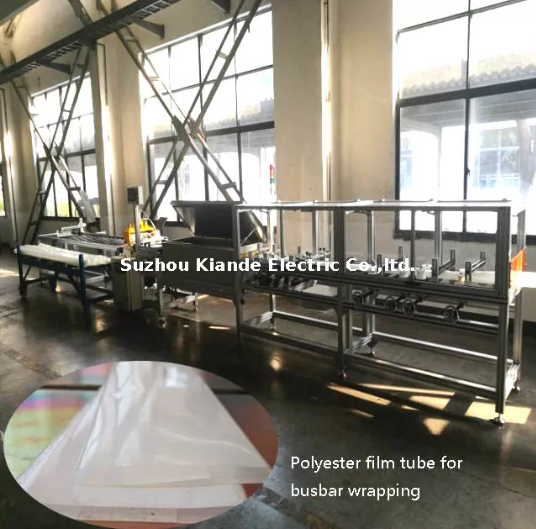
The latest Film Forming Machines offer enhanced precision through advanced control systems. This allows manufacturers to produce films with consistent quality and fewer defects. Energy-efficient technologies also help reduce operational costs, making these machines more economical in the long term. The ability to control multiple parameters in real-time ensures that the film produced meets the strictest quality standards. Investing in advanced film forming machines can significantly reduce waste and energy consumption, improving your return on investment. These machines can adapt to different materials and production conditions, offering flexibility across a wide range of applications.
Automation in film forming machines reduces the need for manual intervention, which cuts down on labor costs and human error. Additionally, automation speeds up the production process, making it more efficient and cost-effective, especially for high-volume manufacturing. With fewer workers required to monitor and adjust the process, operational costs are significantly reduced. Automation not only lowers labor costs but also accelerates production cycles, making it ideal for industries with large-scale demands. Businesses should consider the long-term savings offered by automated systems when evaluating machine investments.
As technology evolves, Film Forming Machines are expected to become even more advanced, incorporating AI, IoT (Internet of Things), and machine learning to further optimize production processes. These innovations will allow for smarter operations, better predictive maintenance, and even greater efficiency. Companies that invest in these technologies will likely see substantial improvements in production output and cost reduction. Stay ahead of the competition by embracing the latest innovations in film forming technology to maximize efficiency and reduce downtime. Leveraging data from smart machines can help businesses make more informed decisions about process improvements.
Film forming machines are essential in modern manufacturing, enabling the production of high-quality films for various industries. These machines automate processes, reduce waste, and improve efficiency, making them crucial for businesses to stay competitive.
Investing in Film Forming Machines boosts productivity and cuts operational costs, ensuring long-term sustainability. As demand for specialized films rises, staying updated on technology advancements is key. When purchasing a Film Forming Machine, prioritize automation, precision control, and adaptability to various materials.
At Kiande, their products offer exceptional value by combining cutting-edge technology with efficient production capabilities, making them an ideal choice for businesses seeking reliability and performance.
A: A Film Forming Machine is a device used to convert raw plastic materials into thin, flexible films. It involves processes like extrusion, forming, and cooling to produce high-quality films for various industries.
A: The Film Forming Machine works by melting plastic pellets, shaping them through a die head, and then cooling the film. This process allows the machine to produce films with consistent thickness and quality.
A: A Film Forming Machine improves production efficiency, reduces waste, and ensures uniformity. It is essential for industries that need high-quality films for packaging, electronics, and medical applications.
A: The extrusion process is critical as it melts and shapes the plastic material into a film. It directly affects the film’s thickness, texture, and overall quality in the Film Forming Machine.
A: Regular maintenance, proper calibration, and using quality materials are key to maintaining the efficiency of a Film Forming Machine. Automation systems and real-time monitoring also help optimize performance.
A: The cost of a Film Forming Machine depends on factors like machine size, automation features, material compatibility, and production capacity. Higher precision and automation capabilities often increase the price.

