
Views: 0 Author: Site Editor Publish Time: 2026-01-06 Origin: Site


Selecting the right automatic busbar wrapping machine can greatly impact your production efficiency. Have you considered how much the wrong choice could cost you in both time and money?
In this article, we will explore the key factors to consider when choosing the right machine. You will learn how to assess production capacity, automation features, and cost-effectiveness to make the best decision for your business.
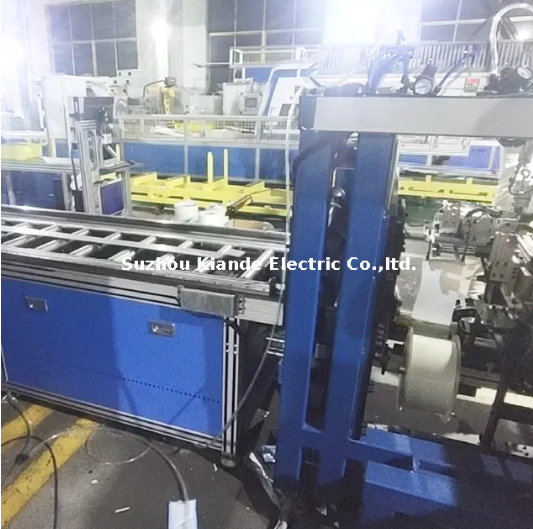
Automatic busbar wrapping machines are engineered to streamline and automate the process of applying insulation to busbars, a critical task in electrical systems. These machines replace manual processes, offering several distinct advantages over traditional methods:
Improved Efficiency: Automatic machines significantly reduce the time it takes to wrap each busbar, which directly enhances overall production speed and throughput. This efficiency is crucial when dealing with large volumes of busbars, as it ensures that the entire manufacturing process remains productive and time-efficient.
Consistency and Precision: Manual wrapping can lead to inconsistencies in the thickness and quality of the insulation applied. With an automatic wrapping machine, you can ensure that every busbar is wrapped with the same precision, leading to uniform insulation and a higher-quality final product.
Labor Savings: One of the primary advantages of automation is its ability to reduce labor costs. Manual labor is often time-consuming and requires skilled workers, whereas automatic machines require fewer personnel, making the process more cost-effective in the long term.
By integrating these machines into production lines, businesses can achieve faster, more reliable, and consistent busbar wrapping, improving both operational efficiency and the quality of their final product.
The technology behind automatic busbar wrapping machines is what enables them to offer enhanced efficiency and precision. Some of the key technological components of these machines include:
Polyester Film Winding Mechanism: The winding mechanism utilizes polyester film, which is quickly and efficiently wrapped around the busbar. This fast winding method helps improve the overall speed of the process, making it ideal for high-volume production environments.
Cutting and Finishing Functions: Once the insulation material is applied, the machine automatically cuts and finishes the busbar to the required specifications. This eliminates the need for manual intervention in the final stages of wrapping.
Precision Control: These machines are equipped with advanced control systems that ensure the insulation is applied evenly and with the correct tension. This precision control helps reduce waste and ensures that the insulation adheres to high-quality standards.
These technological features make automatic busbar wrapping machines much more efficient and reliable compared to traditional manual wrapping methods, reducing errors and ensuring that each busbar meets the required specifications.
| Feature | Specifications/Range | Notes |
|---|---|---|
| Busbar Size Range (mm) | 10×100mm to 20×120mm | Supports a wide range of busbar sizes |
| Maximum Busbar Length (m) | 0.5m to 6m | Adjustable to accommodate various production needs |
| Adjustable Wrapping Speed | Yes (Multiple speeds) | Offers flexibility based on customer needs |
| Customizable Coating Thickness | Yes | Can be adjusted based on material types |
| Control Interface | Touchscreen/Buttons | Easy-to-use interface for quick adjustments |
| Maximum Output (Units/Hour) | 1000 to 1500 | High throughput to meet large-scale production |
| Precision Control | Yes | Ensures consistent and high-quality insulation |
This table provides a quick comparison of machine specifications, helping you assess which features are most important for your production needs.
One of the most important factors when choosing an automatic busbar wrapping machine is its production capacity. Different machines are designed to handle different types of busbars, and it’s essential to select a machine that matches your specific production needs. Consider the following factors:
Busbar Size and Specifications: Evaluate the range of busbar sizes the machine can accommodate. Busbars come in various cross-sectional sizes, lengths, and thicknesses, so it’s important to ensure that the machine can handle the particular specifications you require. If your production involves multiple sizes, look for a machine that offers flexibility and quick adjustment settings.
Machine Capacity: The machine should be able to handle the volume of production you require. Machines with higher throughput capabilities are essential for large-scale operations, as they can meet high production demands without compromising on speed or quality.
Choosing a machine with the right capacity and specifications will ensure that it meets your production requirements and helps you avoid bottlenecks in the manufacturing process.
When considering an automatic busbar wrapping machine, the level of automation is another critical factor. High automation levels offer several advantages:
Increased Production Efficiency: The more automated the process, the fewer manual steps are required, leading to higher throughput and less risk of human error. This is especially important when you’re working with a large volume of busbars.
Reduced Labor Dependence: Automation helps reduce the need for skilled labor, which can be expensive and hard to source. With automated wrapping machines, fewer operators are required, and the remaining workforce can be focused on more valuable tasks.
Ease of Use: The interface of the machine should be intuitive and user-friendly. Features like touchscreen controls allow operators to quickly set up and adjust the machine to meet varying production needs, ensuring that the machine can be operated efficiently with minimal training.
By selecting a machine with a high level of automation and easy-to-use features, businesses can streamline their production process and reduce operating costs over time.
One of the primary reasons for investing in an automatic busbar wrapping machine is the ability to consistently maintain high-quality standards for insulation. The following factors are critical to ensuring the wrapping quality and precision:
Tension Control: The wrapping tension must be carefully controlled to ensure that the insulation material is applied evenly without being too tight or too loose. Improper tension can lead to poor insulation quality and potentially even damage to the busbar.
Speed and Material Precision: The speed at which the insulation is applied, as well as the accuracy of the material used, are crucial in ensuring a high-quality end product. Machines that offer adjustable speeds based on material type and busbar specifications are particularly valuable for ensuring consistent results.
Machines with high precision in these areas will help maintain consistent quality across all busbars, reducing waste and improving the overall reliability of the product.
The investment in an automatic busbar wrapping machine should be evaluated in terms of long-term savings. Consider the following aspects:
Labor and Material Savings: Automated machines reduce labor costs and help minimize material waste. The ability to adjust the machine’s settings for different types of busbars and insulation materials ensures that no resources are wasted during production.
Return on Investment (ROI): A well-chosen machine should offer a strong ROI by improving production efficiency, reducing operational costs, and increasing overall output. On average, businesses can expect to recover their investment within 2-3 years, thanks to labor savings and increased productivity.
By carefully assessing the ROI of the machine, businesses can ensure that their investment will pay off in the long term.
The automatic busbar wrapping machine is specifically engineered for the busbar trunking industry, offering an efficient solution for wrapping insulation materials on the surface of busbars. Unlike traditional polyester wrapping processes, this machine utilizes a fast winding method with polyester film, significantly improving production efficiency while maintaining consistent busbar insulation performance.
Fast Winding Technology: The machine employs a rapid winding method with polyester film, enhancing the wrapping efficiency and allowing for faster production times.
Customizable Wrapping Speeds: The wrapping rate can be adjusted to two different speeds, based on specific customer requirements, making it suitable for a variety of production needs.
Improved Production Efficiency and Insulation Assurance: The machine increases production efficiency while ensuring that busbar insulation performance remains stable, thus meeting industry standards for electrical safety and performance.
Labor Cost Savings and Enhanced Product Quality: By automating the process, this machine reduces labor costs and ensures a higher quality and consistency in the wrapped products.
This machine is ideal for large-scale busbar processing, especially in industries such as high and low-voltage switchgear, distribution boxes, and new energy storage equipment. Some of its key advantages include:
Efficiency Enhancement: The automatic machine streamlines production by eliminating manual bottlenecks. The full process automation covers "busbar feeding → positioning and clamping → coating (insulating material winding/extrusion) → cutting/finishing → finished product blanking," with no need for manual intervention.
Versatility for Multiple Specifications: It can handle busbars of various cross-sectional sizes (e.g., 10×100mm, 20×120mm) and lengths (typically 0.5-6m). Parameters such as coating thickness, winding density, and feeding speed are easily adjustable via a touchscreen interface.
High Precision Coating: The machine offers adjustable coating speeds based on the characteristics of insulating materials, with a maximum speed of 1-3 m/min, ensuring precision during the wrapping process and preventing waste caused by uneven manual operations.
From a long-term perspective, the initial investment in the automatic busbar wrapping machine can be quickly recovered due to "labor savings, material savings, and reduced scrap rates." This machine can replace 3-5 skilled workers, saving 180,000-300,000 yuan annually on labor costs. The investment is typically recovered within 2-3 years.
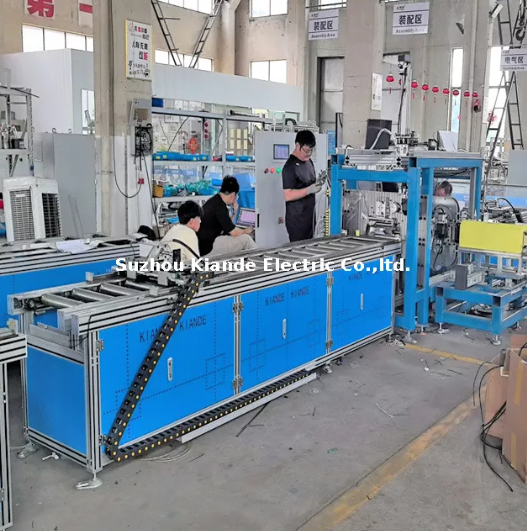
Before selecting an automatic busbar wrapping machine, it's crucial to fully assess the busbar sizes, weights, and shapes that the machine will handle. Busbars can vary widely in size and material, and selecting a machine that is not equipped to accommodate these variations can lead to inefficient operations or poor-quality insulation. For example, if the machine cannot properly adjust to the size of the busbar, it may apply uneven insulation, which can result in subpar performance and an increased risk of faults in the electrical system. A thorough evaluation of these aspects ensures that the wrapping machine will meet your specific production needs and deliver the required insulation quality.
Scalability is another critical factor when choosing a busbar wrapping machine. As your production needs evolve, your machine should be capable of adapting to different busbar sizes and production volumes. If the machine is too rigid in its specifications, it might not be able to accommodate changes in your product line, leading to costly production delays or the need for future machine upgrades. It’s essential to select a machine that offers flexibility in terms of adjustable settings such as busbar size, wrapping speed, and material thickness, enabling you to scale production as required without additional investment in new equipment. This flexibility ensures your machine remains valuable as your business grows and diversifies.
While the upfront cost of a busbar wrapping machine is important, businesses often overlook the ongoing costs of maintenance and employee training. These costs can accumulate over time and impact your bottom line if not properly considered. Regular maintenance is essential to ensure the machine operates efficiently and avoids costly breakdowns or malfunctions that can lead to production downtime. Additionally, staff must be adequately trained to operate the machine correctly and troubleshoot minor issues. Failing to factor in these costs can lead to unexpected interruptions in production and increased operational costs. Make sure to account for long-term maintenance contracts and training programs to maximize the machine’s performance and lifespan.
One of the standout advantages of automatic busbar wrapping machines is their ability to enhance both productivity and consistency. These machines automate the entire wrapping process, allowing for continuous operation without the need for frequent stops or adjustments. This results in faster production cycles, enabling manufacturers to meet high-volume demands more effectively. Moreover, because the machine operates consistently with high precision, each busbar is wrapped uniformly, ensuring that the insulation layer is applied with the same quality each time. This consistency not only improves the overall product but also reduces the likelihood of defects that might arise from human error in manual processes.
Automation is a powerful tool for reducing operating costs in busbar production. By replacing manual labor with automated processes, you can significantly cut down on labor costs while improving production efficiency. Machines that handle the entire wrapping process— from material feeding and positioning to cutting and finishing—minimize the need for skilled workers to perform repetitive tasks. Furthermore, automation helps to reduce material waste by ensuring that insulation is applied precisely, with little to no excess material. This reduction in waste and labor results in a more cost-effective operation, allowing businesses to improve profit margins and reinvest savings into expanding production or enhancing quality control.
The wrapping process also plays a crucial role in protecting busbars from environmental factors such as moisture, dust, and physical damage. A properly applied insulation layer ensures that the busbar is shielded from external elements that could otherwise affect its performance or lead to premature deterioration. For example, moisture can cause corrosion, while dust can interfere with the electrical conductivity. With a high-quality insulation layer provided by an automatic busbar wrapping machine, the busbars are not only protected during transport and storage but also have a longer lifespan when integrated into electrical systems. This added protection improves the overall safety and reliability of the electrical infrastructure, reducing the need for maintenance and repairs over time.
Choosing the right automatic busbar wrapping machine is crucial for long-term success. It impacts both efficiency and ROI. Key factors to consider include production capacity, automation, cost efficiency, and precision. Selecting the right equipment helps businesses enhance production, reduce labor costs, and maintain high insulation quality.
Kiande offers innovative solutions with automatic busbar wrapping machines. These machines improve productivity and ensure high-quality insulation, helping businesses achieve better efficiency and long-term savings.
A: An Automatic Busbar Wrapping Machine is a device designed to wrap insulation materials around busbars efficiently. It automates the process, ensuring consistent quality, reducing labor costs, and improving production speed.
A: By automating the wrapping process, the machine significantly reduces production time, eliminates human error, and ensures uniform insulation, resulting in higher throughput and reduced operational costs.
A: Key factors include production capacity, automation level, ease of use, precision control, and the ability to handle different busbar sizes. These elements determine the machine's efficiency and suitability for your needs.
A: The primary advantages include improved consistency in insulation quality, reduced labor costs, increased production speed, and enhanced overall safety and reliability of electrical systems.
A: The cost varies depending on features like automation level, production capacity, and customization. Generally, the investment is recovered within 2-3 years due to labor and material savings.
A: Common issues include misaligned busbars, inconsistent wrapping, or machine jams. Check for any obstructions, ensure proper machine calibration, and refer to the manufacturer's manual for specific troubleshooting steps.

